
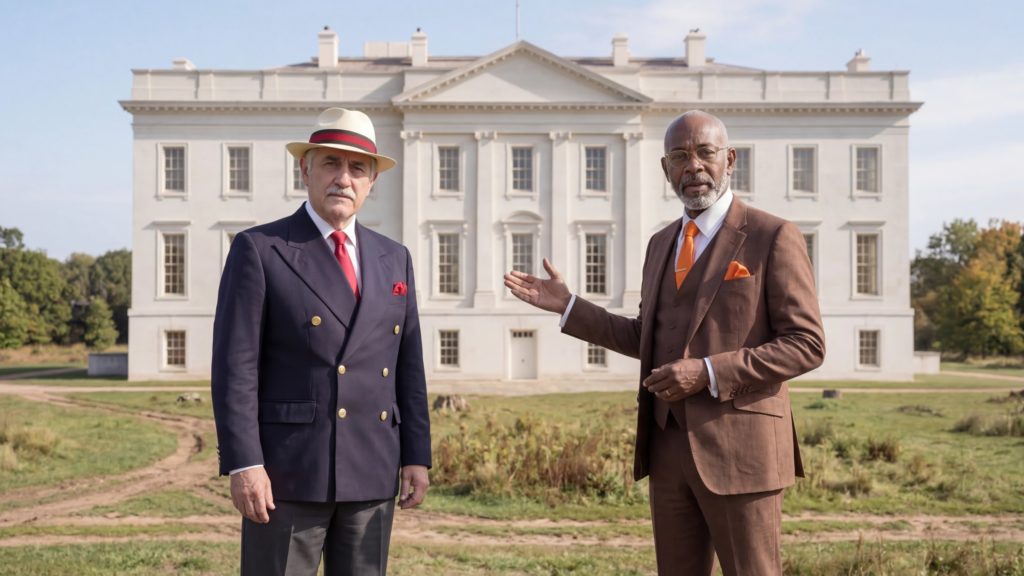
Founding Frenemies: America’s Most Complicated Bromance
About This Episode
What’s covered
Few friendships in American history changed as dramatically as that of John Adams and Thomas Jefferson. One was a Massachusetts lawyer from a farming family, the other a Virginia planter's son[1][2]. In 1776 both sat on the committee that prepared the Declaration of Independence[3, p. 10]. Years later Adams was the second president and Jefferson his vice president, and in 1800 they stood against each other for the presidency[4][5]. Their friendship lapsed, then revived by letter from the beginning of 1812[5]. They died on 4 July 1826, the fiftieth anniversary of the Declaration's adoption[6]. It is often told as a coincidence of dates, but it is also a story of argument and reconciliation. This documentary follows their story in four parts: two different beginnings and a shared partnership, years in Europe and an unfinished President's House, the party quarrel of 1800, and the letters that ended the silence.
Watch
See the episode on YouTube
The Story
How the Story Unfolds
Two Beginnings, One Partnership
John Adams was born in 1735 in the part of Braintree, Massachusetts, later set off as Quincy, the eldest son of a thrifty farmer who served as a selectman and church deacon[1]. Thomas Jefferson was born in 1743 at Shadwell, one of the tobacco plantations of his father, Peter Jefferson, in the Virginia up-country[2]. Adams studied law at Worcester, Jefferson under George Wythe[1][6]. By 1776 both sat in the Second Continental Congress, which met in what is now Independence Hall in Philadelphia[7, p. 2]. When Richard Henry Lee moved that the colonies be free and independent states, Adams seconded the motion[3, p. 10][8, p. 99]. Both men were named to the committee of five that prepared a declaration[3, p. 10]. Adams later recalled urging Jefferson to write the draft, because Jefferson was a Virginian, Adams was “obnoxious, suspected, and unpopular”, and Jefferson could write “ten times better”[8, p. 99].
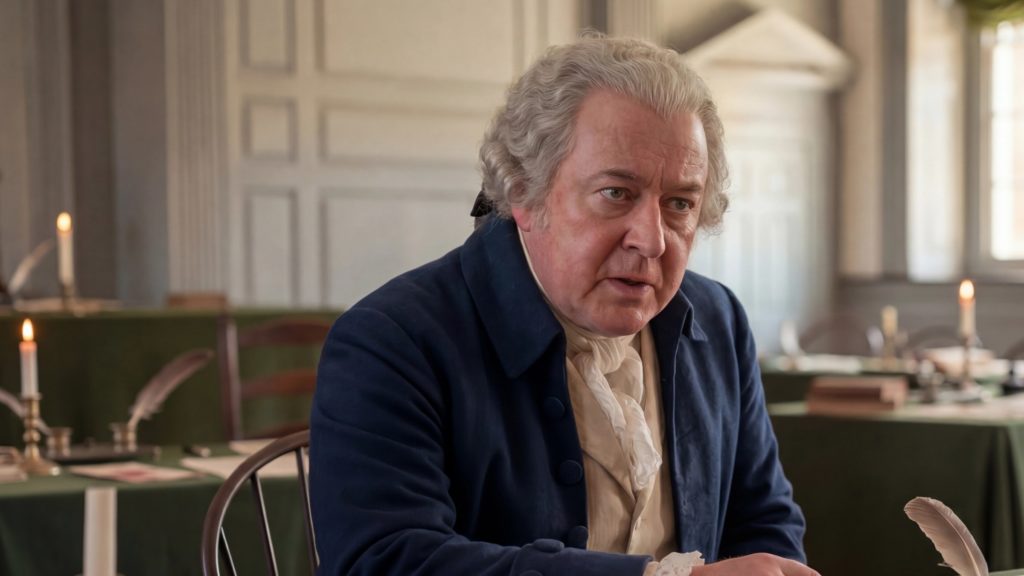
Europe, the Presidency and an Unfinished House
Winning independence meant winning allies. Adams was appointed a commissioner to France in late 1777 and reached Paris in April 1778[9]. He, Franklin and John Jay later concluded the Treaty of Paris, signed on 3 September 1783[10]. Jefferson followed in 1784, sent by Congress to negotiate commercial treaties alongside Adams and Franklin, and went on to succeed Franklin as minister to France[11, p. 140][6]. Adams was inaugurated as second president on 4 March 1797, with Jefferson as his vice president[4]. The President's House in the new city of Washington was ready for occupancy in November 1800, but its interior was unfinished, with many rooms unplastered, no grand staircase, and laundry hung in the East Room[12, p. 2]. John Adams was its first occupant[12, p. 1]. Jefferson later worked with the architect Benjamin Henry Latrobe on long colonnades east and west of the house, serving as service and storage space[12, p. 2].
Parties, Pamphlets and a Tied Election
George Washington's Farewell Address warned in solemn terms against the baneful effects of the spirit of party[13, p. 19]. Yet two parties formed in the 1790s, one to support Alexander Hamilton's financial policies and one to oppose them[14, p. 21]. The Republican Party of Jefferson and Madison, also called the Democratic-Republican Party, was founded in the 1790s[15, p. 12]. In 1800 the incumbent Federalist, Adams, faced Jefferson[16, p. 13]. During the campaign many clergy, particularly in New England, denounced Jefferson as an atheist and a French infidel[17, p. 17]. The electoral vote was Jefferson 73, Aaron Burr 73, Adams 65 and Pinckney 64, which sent the election to the House of Representatives[18]. On the thirty-sixth ballot, on 17 February 1801, the House elected Jefferson[19]. Hamilton, no friend of Jefferson, had urged Federalists to prefer him to Burr[16, p. 30]. Adams left Washington on the day of the inauguration without attending the ceremony[20], and the friendship lapsed[5].
Silence, Letters and One Fourth of July
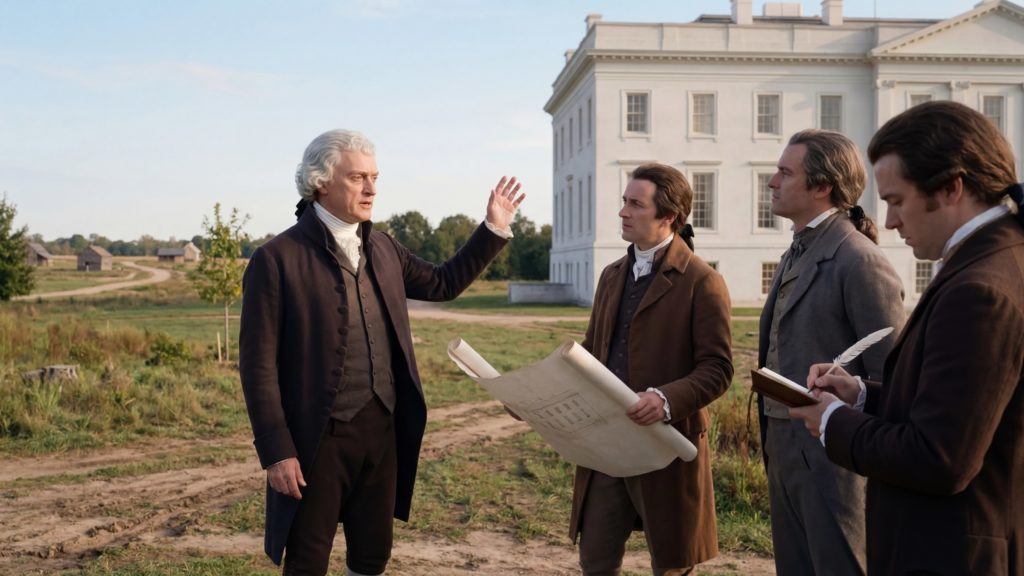
After Abigail Adams wrote to Jefferson on the death of his daughter in 1804, no communication passed between the two families[11, p. 401]. Their friend Dr Benjamin Rush worked to bring about a reconciliation, and Adams opened the way with a letter dated 1 January 1812 enclosing two pieces of homespun[11, p. 401][5]. Jefferson replied on 21 January[5], and the correspondence that followed was voluminous and uninterrupted[11, p. 401]. Their letters ranged over history, politics and religion, and on the subject of parties Adams wrote that parties and factions would not suffer improvements to be made[5]. At least 102 letters from Adams and 48 from Jefferson survive, according to the editor of a 1925 collection[5]. Jefferson died on 4 July 1826, aged 83, and Adams, aged 90, died a few hours later the same day[6]. According to nineteenth-century accounts, Adams's last words were “Thomas Jefferson still survives”, though Jefferson had already died[4]. Other accounts give the wording differently[21].
Historical Context
What was going on
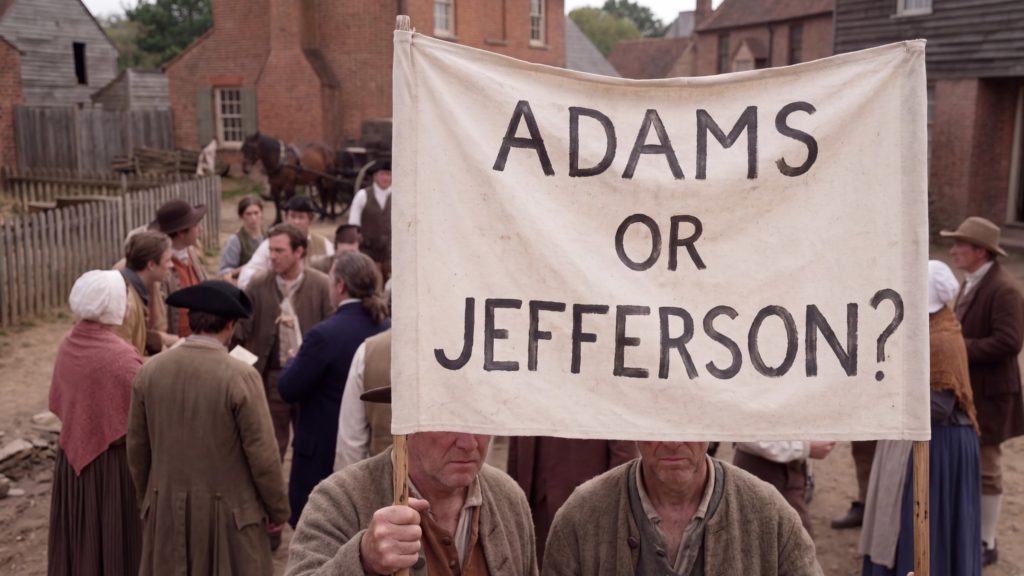
The friendship of Adams and Jefferson endures partly because it shows affection and opposition sharing one republic. The Republican side presented it as the saving grace of the American Revolution[16, p. 25], while the Federalists' Alien and Sedition Acts were later judged to have contributed largely to their party's downfall[1]. The tied vote exposed a flaw in the electoral system, corrected by the Twelfth Amendment in 1804[22, p. 1]. In his inaugural address Jefferson argued that differences of opinion were not differences of principle[20]. The founders' reputations remain contested. Adams was long overshadowed by Washington and Jefferson, though historians point to his resistance to Federalist pressure for wider conflict with France as a reason he deserves more credit[23, p. 25][23, p. 16]. Jefferson, who wrote that all men are created equal, personally held around 150 people in slavery at Monticello, a contradiction historians still wrestle with[17, p. 17][11, p. 212]. In 1831 the French visitor Alexis de Tocqueville came to study the American prison system and returned with the book that shaped how the world understood American democracy[24][25, p. 1][26]. Their story suggests a republic can hold bitter argument and lasting respect together.
Quick Facts
The essentials
Quick Facts
Keith on Who Held the Pen
Adams later recalled telling Jefferson to write the Declaration draft, with three reasons: Jefferson was a Virginian, Adams was “obnoxious, suspected, and unpopular”, and Jefferson could write “ten times better”. Roger calls it modesty. Keith calls it the best delegating in American history[8, p. 99].
Roger Finds a Grudge That Lasted
Reconciled, yes. Forgiven on everything, apparently not. In a letter to William Short on 8 January 1825, Jefferson asked whether anyone could read Adams's Defence of the American Constitutions without seeing that he was a monarchist. Even old friends keep a few receipts[3].
A Last Question on the Third
Jefferson's physician recorded that on the evening of 3 July he asked, “Is it the Fourth?” and was told, “It soon will be.” He died about one o'clock on the 4th[17, p. 419]. Adams's reported last words vary between accounts, so treat the exact wording with care[4][21].
The Epitaph That Skipped the Presidency
Jefferson wrote his own gravestone inscription, and it names three achievements: author of the Declaration of Independence, author of the Virginia Statute for Religious Freedom, and father of the University of Virginia[27, p. 105][28, p. 277]. The presidency did not make the list. Keith finds that quietly telling.
Another President Chose the Fourth
Adams and Jefferson were not the last president to die on a Fourth of July. James Monroe did so in 1831, a year after his wife[29]. Roger says the founders had impeccable timing. Keith says three is where coincidence starts asking for a second opinion.
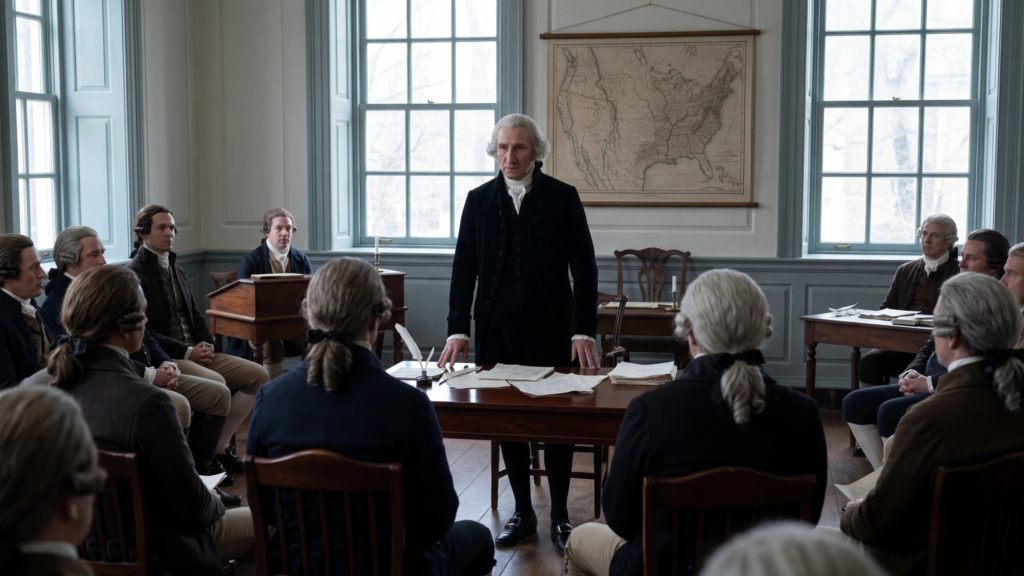
But every difference of opinion is not a difference of principle. We have called by different names brethren of the same principle.
Thomas Jefferson, first inaugural address, Senate Chamber of the Capitol, Washington, 4 March 1801[20][20]
Delivered to a country split between Federalists and Republicans, the line shows Jefferson describing party differences as differences of opinion rather than of principle.
Who Is in This One?
The people you'll meet




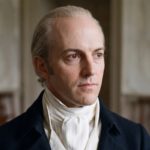
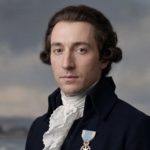
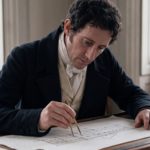

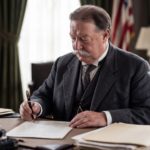
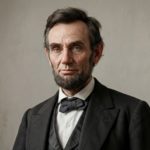

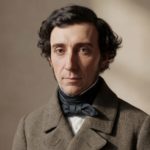
Timeline
How it unfolded
30 October 1735
Birth of John Adams
John Adams was born at Quincy, then part of Braintree, Massachusetts, on 19 October 1735 by the Old Style calendar[18], which is 30 October 1735 by the modern calendar[30]. He sat in the Continental Congress from 1774 until 1781[28, p. 183].
13 April 1743
Birth of Thomas Jefferson
Thomas Jefferson was born on 13 April 1743 (2 April, Old Style) at Shadwell, one of the tobacco plantations owned by his father Peter Jefferson, in the Virginia up-country[2]. He would become the third president of the United States[31].
4 July 1776
Declaration of Independence Adopted
The Second Continental Congress adopted the Declaration of Independence on 4 July 1776, with the text written primarily by Jefferson[32]. A committee of five that included Jefferson and Adams, alongside Franklin, Roger Sherman and Robert R. Livingston, had been appointed in June to prepare it[33].
3 September 1783
Treaty of Paris Ends the Revolutionary War
John Adams, who had been in Europe on congressional missions since 1778[34, p. 6], signed the definitive peace treaty between the United States and Great Britain on 3 September 1783[34, p. 7]. The Treaty of Paris formally ended the American Revolutionary War[35].
4 March 1797
Inauguration of John Adams
John Adams was inaugurated as second president on 4 March 1797, succeeding Washington[36][4]. Jefferson, who had received the next largest number of votes, became his vice president and presided over the Senate[4].
17 February 1801
House Elects Jefferson President
In the election of 1800 Jefferson and Aaron Burr each received 73 electoral votes, ahead of Adams with 65 and Pinckney with 64, which threw the decision to the House of Representatives[18]. On 17 February 1801, on the 36th ballot, the House elected Jefferson president[19].
1 January 1812
Adams Writes to Jefferson Again
Adams sent Jefferson a letter dated 1 January 1812, enclosing two pieces of homespun, reopening direct contact between the two men[5]. Their friend Dr Benjamin Rush had worked to bring about the reconciliation, after no communication had passed between the families since 1804, and the correspondence that followed was voluminous and uninterrupted[11, p. 401].
4 July 1826
Deaths of Adams and Jefferson
Jefferson died at the age of 83 on 4 July 1826, the fiftieth anniversary of the adoption of the Declaration of Independence, and John Adams died at 90 a few hours later the same day[6]. Nineteenth-century accounts report that Adams's last words were 'Thomas Jefferson still survives', though Jefferson had in fact already died[4].
Where Is That?
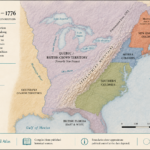
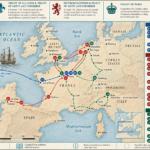
The maps used in this episode
What Happens in This One?
The moments it covers

Myth-buster
Think you know this one?
Keith, you know the day! The Fourth of July, 1776, Independence Hall, quills scratching, every delegate signing the Declaration of Independence in one grand ceremony. Jefferson's masterpiece signed, sealed and delivered by teatime, and the fireworks have been going ever since. That is the day the signatures went down, and I will not hear otherwise!
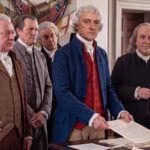
Roger, I admire the quills and the teatime, but the signing is where it wobbles. Congress voted for independence on 2 July, a day Adams called the most memorable epocha in American history[37][38, p. 60]. The text was adopted on 4 July[39, p. 375][33, p. 170]. The parchment copy was signed at the table on 2 August by the members present[33, p. 170][40]. So the Fourth keeps the fireworks, Roger, and August gets the pens.

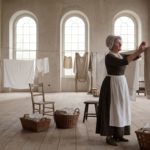
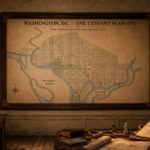
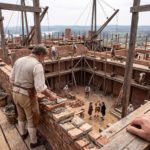
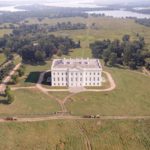
Officially, Roger, the President's House was a palace fit for a president. L'Enfant did plan one he called a palace, five times the size of the house actually built[12, p. 1]. In practice, when the Adamses moved in during November 1800, the house was habitable but unfinished. Many rooms were unplastered, the grand staircase was missing, and the East Room had become a place to hang the laundry[12, p. 2].
Keith, unfinished? A staircase is just a hole with ambition! And a drying line in the East Room makes it the grandest laundry room in the republic. Palace by any other name, my friend, and I will not be moved.

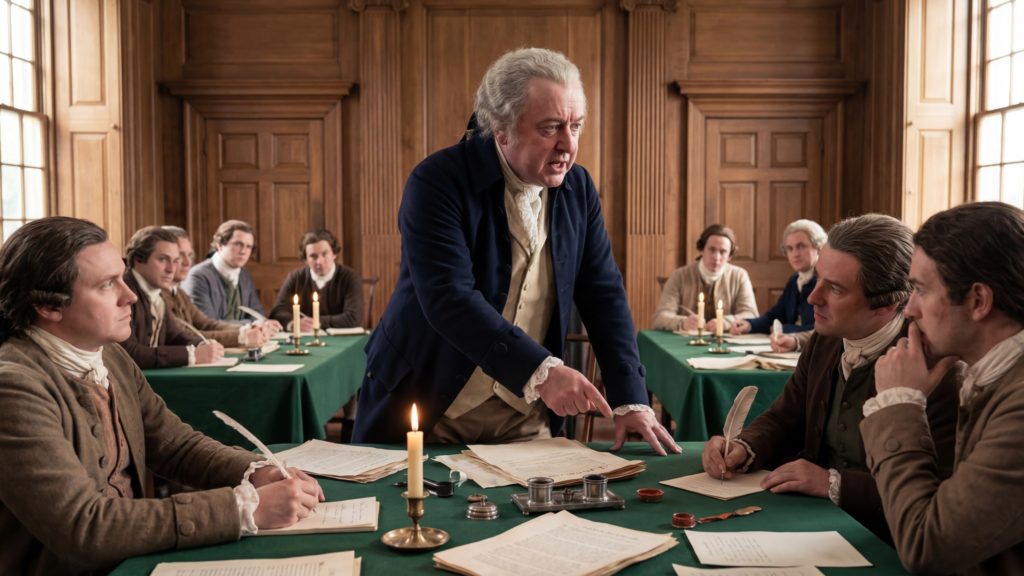
Keith, here is the one everybody knows. Adams and Jefferson were mortal enemies from start to finish. Rivals in 1776, rivals in 1800, rivals to the grave, never a kind word between them. Two founders, one enormous grudge, and not a single friendly letter in all those years!
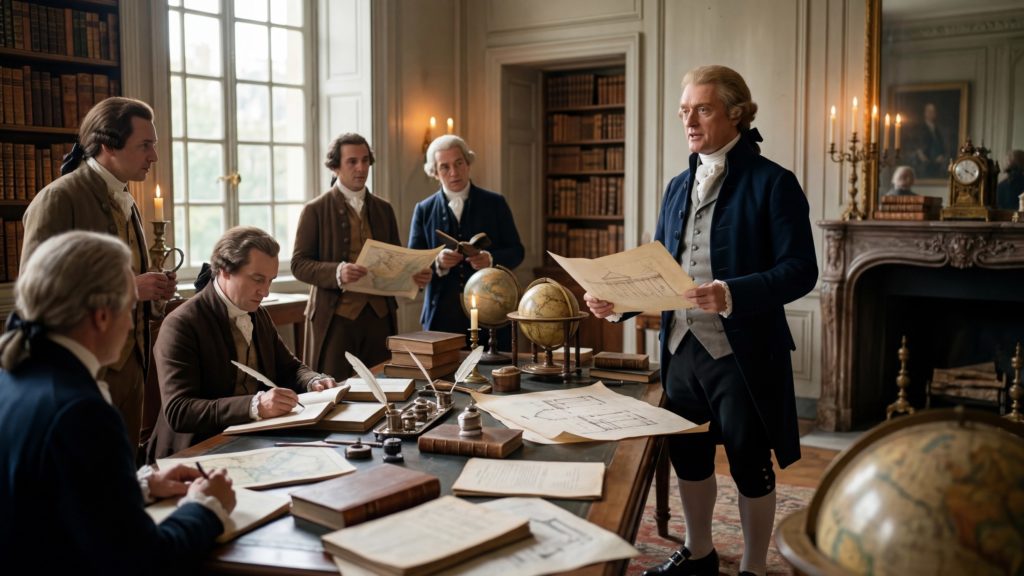
Roger, “to the grave” is where it falls over. They sat on the same committee in 1776[3, p. 10], and their early letters run from 1777 to 1796[5]. The friendship lapsed after the election of 1800, but from 1812 letters passed between them in every remaining year[5]. A long grudge? No, Roger. A long argument with a very good ending.

Where Does It Happen?
The places you'll visit

Dig Deeper
Copy any prompt below into your favourite AI chat to keep exploring.
Explain how growing up on a Virginia plantation shaped Thomas Jefferson's worldview
Walk me through what actually happened inside Independence Hall during the summer of 1776
Explain how John Adams helped secure European support for the American Revolution
What did being a First Lady actually involve in early America, before the role had any real definition?
Walk me through how the White House has changed from Adams' unfinished mansion to today
Why did Hamilton's decisive vote come down to who he feared more than who he liked?
Roleplay John Adams trying to convince Abigail the half-built White House is actually fine
Roleplay George Washington reacting to modern political parties for the first time
Pitch me the Adams-Jefferson story like a buddy movie that somehow spans fifty years
Further Reading
Where to read more
Jefferson and the Adams Family (Monticello)
A page from the Thomas Jefferson Foundation at Monticello tracing how the Jefferson and Adams families became entwined during the Revolution and how the friendship survived estrangement, political rivalry and tragedy, with links to letters and a biographical sketch of John Adams.
Why look at this: Keith runs through friends, rivals, enemies and pen pals in a few lines. This is a short, authoritative overview of that whole arc, including the election of 1800 that split them.
https://www.monticello.org/jefferson-and/the-adams-familyIndependence Hall (National Park Service)
The National Park Service overview of Independence Hall in Philadelphia, built as the Pennsylvania State House and the building where the Declaration of Independence and the US Constitution were debated, now a UNESCO World Heritage Site.
Why look at this: Roger stands at the building where Adams pushed for a vote and Jefferson's draft was debated in the summer of 1776. This is the official quick guide to the building itself.
https://www.nps.gov/inde/learn/historyculture/places-independencehall.htmOn This Day: A Tied Presidential Election Ends in Washington (National Constitution Center)
A short National Constitution Center article on the tie between Jefferson and Aaron Burr in 1800, the House vote that ran to 36 ballots from 11 to 17 February 1801, and the constitutional flaw it exposed.
Why look at this: The documentary says Congress voted thirty-six times before Jefferson won. This article explains why the vote was needed at all and how Hamilton figured in the outcome.
https://constitutioncenter.org/blog/on-this-day-a-true-constitutional-crisis-ends-in-the-washingtonThe Declaration of Independence: A History (National Archives)
A longer National Archives account of how the Declaration was drafted, debated, adopted, engrossed and signed, including the roles of Jefferson, Adams and the Committee of Five and the later signing of the parchment copy.
Why look at this: The documentary sets up Adams as the engine in the room and Jefferson as the writer. This is the fuller story behind it, and it deals directly with the popular belief that everyone signed on 4 July.
https://www.archives.gov/founding-docs/declaration-historyJohn and Abigail Adams: A Tradition Begins (White House Historical Association)
An article from the White House Historical Association on John and Abigail Adams as the first residents of the President's House, including John Adams's arrival on 1 November 1800 to find the house unfinished but habitable.
Why look at this: Keith says 'ready' was doing a lot of work in the episode. This article gives the fuller picture of what the Adamses found and how they made the unfinished house livable.
https://www.whitehousehistory.org/john-and-abigail-adams-a-tradition-beginsWashington's Farewell Address, 1796 (Avalon Project, Yale Law School)
The full text of George Washington's 1796 Farewell Address as published by the Avalon Project at Yale Law School, including his warning against the baneful effects of the spirit of party.
Why look at this: Roger says Washington feared permanent camps dividing the country. Here are Washington's own words on party spirit, the warning Adams and Jefferson's generation then ignored.
https://avalon.law.yale.edu/18th_century/washing.aspFrom John Adams to Timothy Pickering, 6 August 1822 (Founders Online, National Archives)
Adams's own letter, transcribed in the Adams Papers edition on Founders Online (National Archives), recounting the conversation in which he urged Jefferson to draft the Declaration and gave his reasons.
Why look at this: Roger says Adams was the engine and Jefferson the words. Here is Adams explaining in his own hand why he stepped back and let Jefferson hold the pen.
https://founders.archives.gov/documents/Adams/99-02-02-7674Abigail Adams to Abigail Adams Smith, 21 November 1800 (Founders Online, National Archives)
A letter from Abigail Adams to her daughter, written days after arriving at the unfinished President's House, transcribed in the Adams Papers edition on Founders Online (National Archives).
Why look at this: The episode gives Abigail the laundry line. This is her own account of the house, including the great unfinished audience-room she made a drying-room, and it is the primary source behind the story.
https://founders.archives.gov/documents/Adams/04-14-02-0205Thomas Jefferson to John Adams, 21 January 1812 (Founders Online, National Archives)
Jefferson's reply to Adams's New Year letter, transcribed in the Papers of Thomas Jefferson edition on Founders Online (National Archives), written at Monticello as the correspondence restarted.
Why look at this: Keith describes careful, polite first letters between two men pretending not to be annoyed. This is Jefferson's reply, where he mentions the homespun and recalls the years when they were fellow labourers in the same cause.
https://founders.archives.gov/documents/Jefferson/03-04-02-0334Sources
- DocumentThe Presidents of the United States, 1789-1914/John Adams ↑
- BookThe Life And Writings Of Thomas Jefferson by S.E.Forman ↑
- BookLetters and addresses of Thomas Jefferson by Thomas Jefferson, William B Parker and Jonas Viles. Page 10. ↑
- BookFamous presidents : Washington, Jefferson, Madison, Lincoln, Grant by Helen M. Campbell ↑
- BookCorrespondence of John Adams and Thomas Jefferson by John Adams ↑
- BookSigners of the Declaration: Historic Places Commemorating the Signing of the Declaration of Independence by Robert G. Ferris ↑
- WebsiteFoundation Document Overview - Independence National Historical Park. Page 2. ↑
- BookThe life of Thomas Jefferson by Henry Stephens Randall. Page 99. ↑
- BookThe American cyclopædia : a popular dictionary of general knowledge by George Ripley ↑
- BookDefinitive treaty of peace and friendship between His Britannic Majesty and the United States of America : signed… by etc. United States Great Britain. Treaties and etc. Great Britain United States. Treaties ↑
- BookThe life and writings of Thomas Jefferson : including all of his important utterances on public questions, compiled… by Samuel Eagle Forman. Pages 140, 212, 401. ↑
- WebsiteClassroom Resource Packet: Designing the White House 1792-1830. Pages 1, 2. ↑
- WebsiteWashington's Farewell Address to the People of the United States (106th Congress Senate Document). Page 19. ↑
- WebsitePublic Credit, the National Bank, and Securities Markets (National Bureau of Economic Research). Page 21. ↑
- WebsiteThe Alien and Sedition Acts of 1798. Page 12. ↑
- WebsiteAlexander Hamilton's Rhetorical Abilities (Jennifer Patterson, Western Oregon University, HST 499). Pages 13, 25, 30. ↑
- BookThe Domestic Life of Thomas Jefferson Compiled From Family Letters and Reminiscences by Sarah N. Randolph. Pages 17, 419. ↑
- BookThe life of Thomas Jefferson, third president of the United States, 1801-1809 by Edward Sylvester Ellis, G. Mercer Adam and Isidore A Zacharias ↑
- BookMemoirs of Aaron Burr, Complete by Aaron Burr ↑
- BookUnited States Presidents' Inaugural Speeches: From Washington to George W. Bush by United States. Presidents ↑
- BookColonel William Smith and lady; the romance of Washington's aide and young Abigail Adams by Katharine Metcalf Roof ↑
- WebsiteThe Burr Treason Trial: Federal Trials and Great Debates Teacher Handout (Federal Judicial Center). Page 1. ↑
- WebsiteThe Adams Network and the Quasi-War, 1797-1798. Pages 16, 25. ↑
- BookComme disait Monsieur de Tocqueville... (French) by Antoine Redier ↑
- WebsiteAlexis de Tocqueville on Men, Women, and Marriage - academic paper referencing Beaumont correspondence (University of Rochester, Department…. Page 1. ↑
- BookAlexis De Tocqueville Historical Critical Edition Of De La Democratie En Amerique by Alexis De Tocqueville ↑
- BookBiographical sketches of the signers of the Declaration of American Independence ... by Benson John Lossing. Page 105. ↑
- BookLives of the signers to the Declaration of independence by Charles A. Goodrich. Pages 183, 277. ↑
- BookThe Ladies of the White House; Or, in the Home of the Presidents by Laura C. Holloway ↑
- Websiteen.wikipedia.org: John Adams ↑
- DocumentEncyclopædia Britannica, Ninth Edition/Thomas Jefferson ↑
- DocumentUnited States Declaration of Independence ↑
- BookThe Declaration of Independence : a study in the history of political ideas by Carl Lotus Becker. Page 170. ↑
- WebsiteAdams Family Foreign Policy: Introduction and Timeline. Pages 6, 7. ↑
- DocumentTreaty of Paris (1783) ↑
- BookThe Liberty Bell, Independence Hall, Philadelphia by Charles S. Keyser ↑
- BookThe Declaration of independence, an interpretation and an analysis by Herbert Friedenwald ↑
- BookFamiliar letters of John Adams and his wife Abigail Adams, during the revolution. With a memoir of Mrs.… by John Adams, Abigail Adams and Charles Francis Adams. Page 60. ↑
- BookThomas Jefferson, the Apostle of Americanism by Gilbert Chinard. Page 375. ↑
- BookThe American Revolution, 1776-1783 by Claude Halstead Van Tyne ↑