
John Adams
2nd President of the United States (1797-1801); 1st Vice President of the United States (1789-1797)
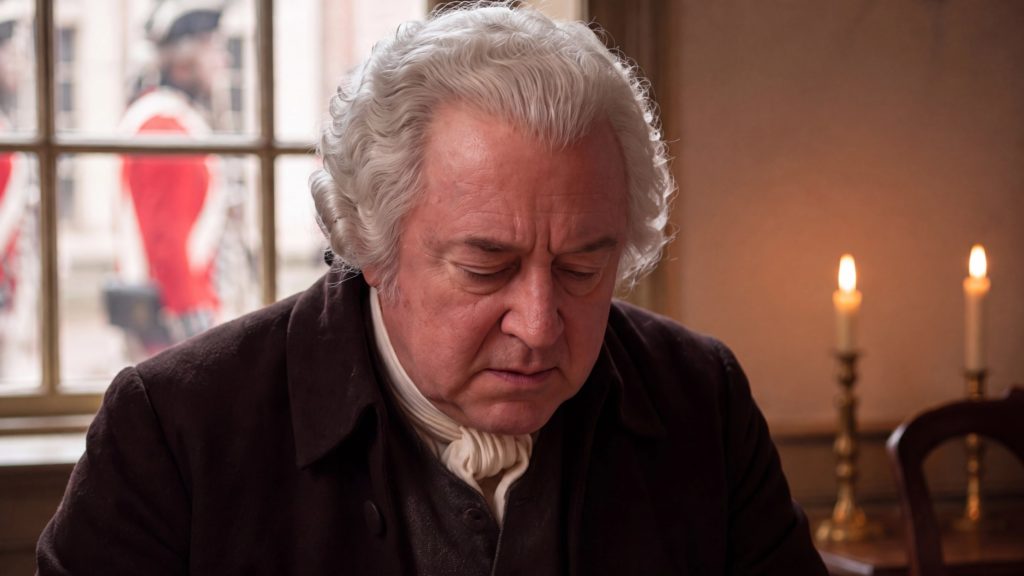
The Boston lawyer who defended the British soldiers accused of the Boston Massacre, then became one of the loudest voices in Congress for cutting ties with the crown that sent them[1].
Bio
Who they were
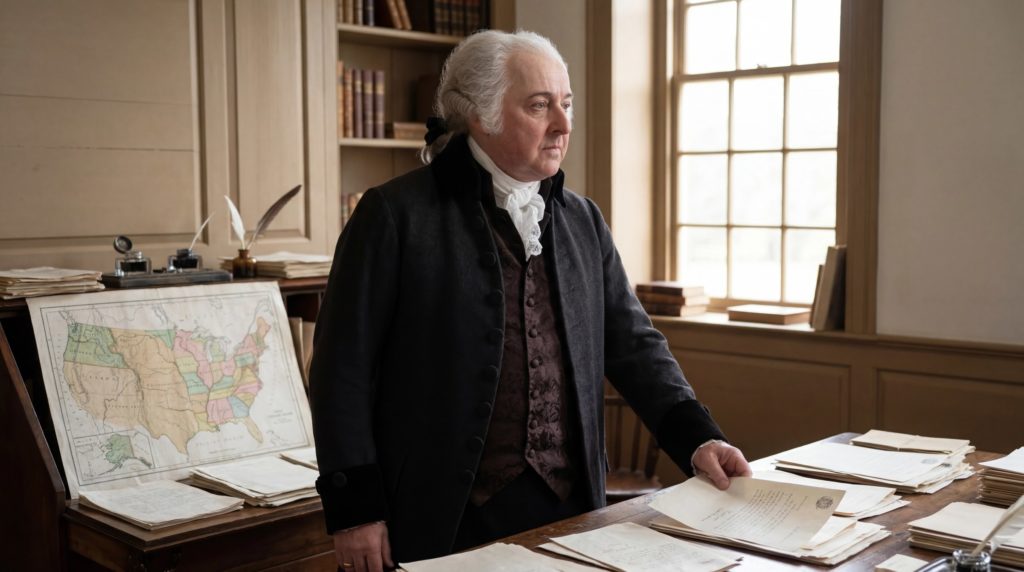
John Adams was born on 30 October 1735 in Braintree, Massachusetts Bay Colony, in the part of town that later became Quincy[2][3, p. 144]. His father, also named John, was a farmer and a deacon of the local church, and one of Braintree's selectmen[1]. His mother, Susanna Boylston, came from an established Massachusetts family[4]. Adams grew up in a devout, hard-working farming household. His father pushed him toward education rather than the plough, and he graduated from Harvard College in 1755[3, p. 144], then briefly taught school before choosing law.
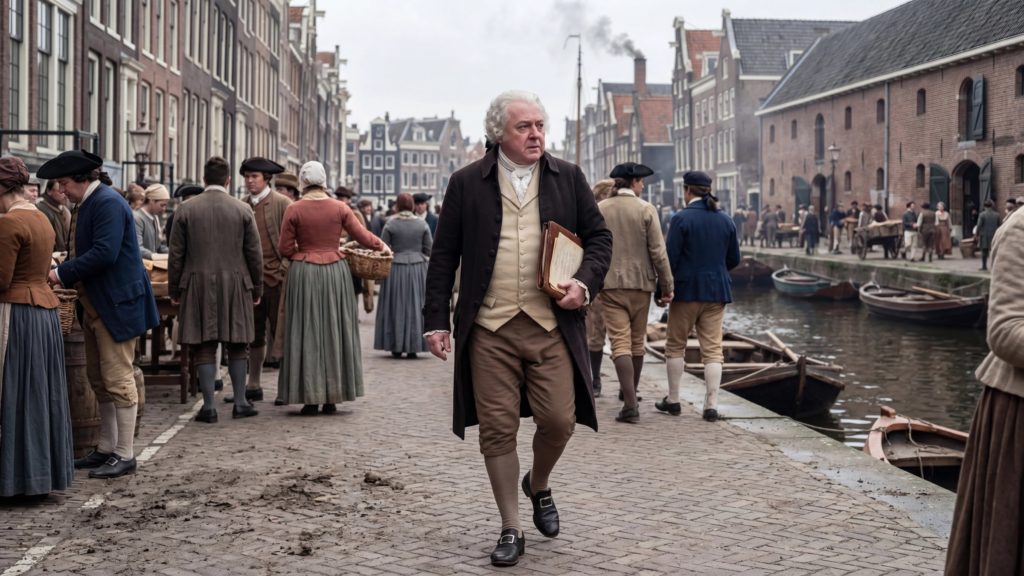
Adams trained as a lawyer and built a reputation for careful, principled argument. In 1770, after British troops clashed with a Boston crowd in the Boston Massacre, he defended the accused soldiers in court, insisting that even unpopular defendants deserved a fair trial[5][1]. The case cost him some popularity but won him wider respect. He was elected to the Continental Congress, where he pushed hard for a formal break with Britain, helped draft Massachusetts's 1780 state constitution[6], and later served as a diplomat in France and the Netherlands before helping negotiate the treaty that ended the Revolutionary War[6].
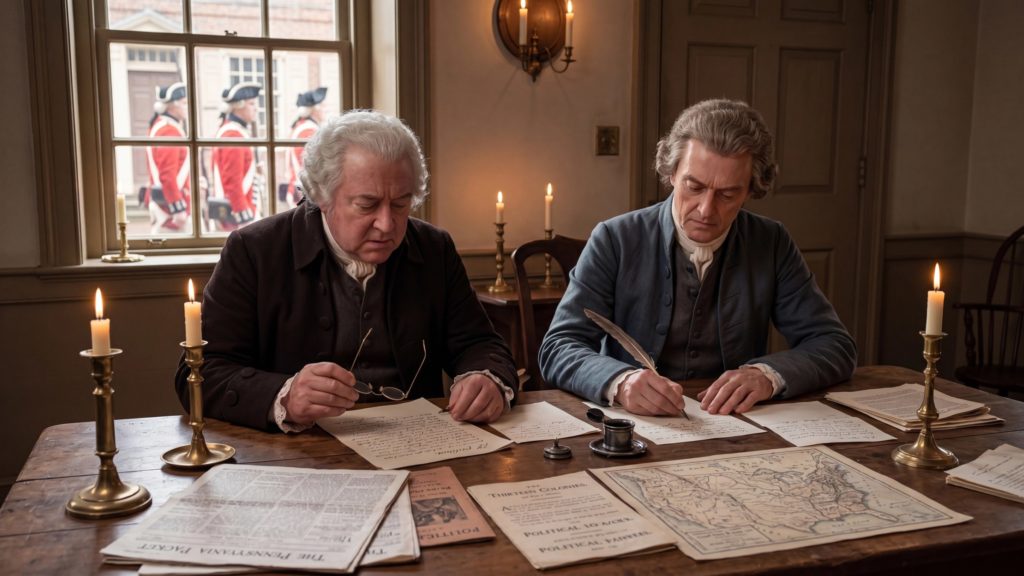
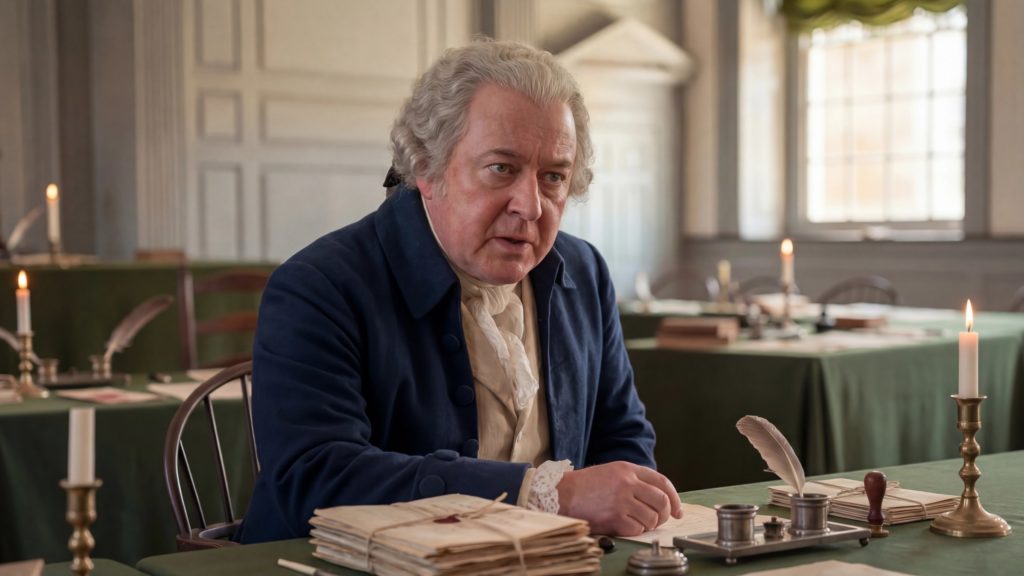
Adams was one of five men Congress chose in 1776 to draft a declaration explaining why the colonies should separate from Britain, alongside Thomas Jefferson, Benjamin Franklin, Roger Sherman and Robert Livingston[2]. He then argued so forcefully for independence on the floor of Congress that colleagues nicknamed him the "Atlas of Independence"[7]. After serving as the nation's first Vice President under George Washington[8], Adams became the second President in 1797. His term was dominated by the XYZ Affair, a diplomatic clash with France[9, p. 1], and the controversial Alien and Sedition Acts, which restricted criticism of the government[10, p. 9]. In November 1800 he became the first President to occupy the still-unfinished President's House in the new capital[2].
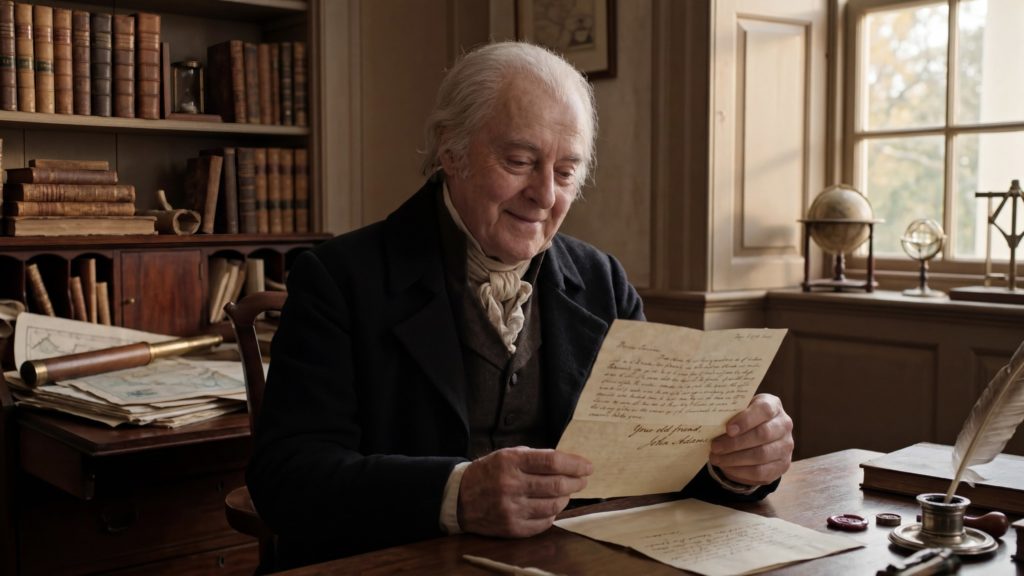
Adams lost a bitterly contested re-election to his former friend turned rival, Thomas Jefferson, in 1800[6][1]. He left the presidency and retired to his family home, Peacefield, in Quincy[6]. He died there on 4 July 1826, the fiftieth anniversary of the Declaration of Independence, only hours after Jefferson himself had died in Virginia[11][12]. His last words are usually recorded as "Thomas Jefferson still survives" — he did not yet know his old friend had already died[7].
Adams's 1780 Massachusetts Constitution is still in force today, making it the oldest written constitution still functioning anywhere in the world, and it influenced the framing of the federal Constitution[6][13, p. 14]. His earlier pamphlet "Thoughts on Government" helped shape ideas about separating power between branches of government[14, p. 1]. Though he and Jefferson became bitter political rivals as leaders of opposing parties, the two men spent their final years exchanging a long series of letters that repaired their friendship[15][15]. His son, John Quincy Adams, later became the sixth President[16].
Adams could be blunt to a fault. Explaining years later why he pushed Jefferson to write the Declaration of Independence instead of doing it himself, Adams reportedly said: "I am obnoxious, suspected, and unpopular; you are very much otherwise"[17][18]. His marriage to Abigail Adams, by contrast, was a genuine partnership built on hundreds of letters exchanged across their many years apart[19, p. 3].
Legacy & Reputation
What’s the verdict?
For much of the twentieth century, Adams stood in the shadow of Washington and Jefferson, remembered mainly as a prickly, short-tempered one-term president. His handling of the near-war with France in the late 1790s — resisting pressure from within his own Federalist party to escalate the conflict — is one of the decisions historians point to when arguing his reputation deserves more credit than it traditionally received[20, p. 25][20, p. 16].
Myth-buster
Think you know this one?
It is often assumed Adams and Jefferson were rivals for their whole adult lives. In fact they were close friends and collaborators during the Revolution, became political enemies only after party politics took hold in the 1790s, and spent their final fourteen years reconciled, writing to each other regularly[15][15].
Quick Facts
The essentials
Quick Facts
Roger has a theory…
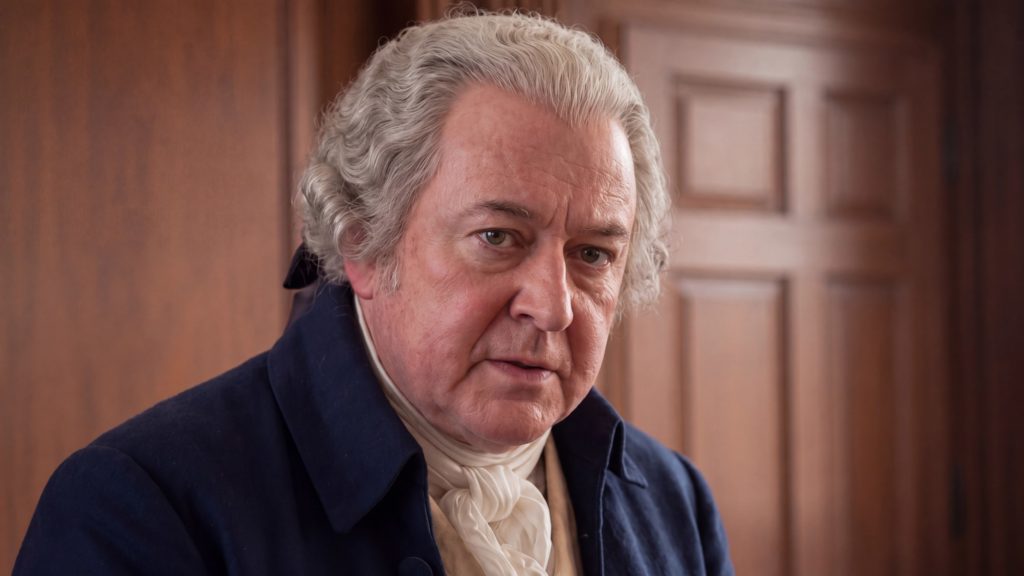
Roger has a theory that if the American Revolution handed out job titles, Adams would have been Chief Nagging Officer. His contemporaries actually nicknamed him the "Atlas of Independence" for how hard he argued Congress into voting for a break with Britain[7].
Keith checked the sources…
Adams himself admitted he was the wrong man to write the Declaration of Independence. "I am obnoxious, suspected, and unpopular," he reportedly told Thomas Jefferson, "you are very much otherwise" — so he handed Jefferson the pen instead[17].
One for the Ageonauts…
Adams single-handedly drafted the 1780 Massachusetts Constitution. It is still in force today, which makes it the oldest written constitution still functioning anywhere in the world[13, p. 14].
Roger says, "Hear me out…"
Hear Roger out: the man who later fought hardest for American independence once defended the British soldiers accused in the Boston Massacre in court — and most of them were acquitted, with only two convicted of the lesser charge of manslaughter[1].
History gets strange here…
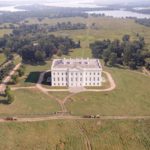
Adams became the first president to move into the President's House in Washington, in November 1800 — while most of the building was still unfinished and the surroundings were closer to a building site than a capital[2].
This sounds invented, but…
This sounds invented, but it checks out: Adams died on 4 July 1826, exactly fifty years after the Declaration of Independence was adopted — just a few hours after Thomas Jefferson died the same day, hundreds of miles away in Virginia[12].
Keith would like to clarify…
Adams's last words are usually recorded as "Thomas Jefferson still survives." Keith would like to clarify: Jefferson had actually died several hours earlier that same day, so Adams, in his final moment, had the timing wrong[7].
Roger would like you to know…
Roger would like you to know that before he was president, Adams was America's first ever Vice President, serving two terms under George Washington and privately finding the job rather thankless[8].
Down the rabbit hole we go…
Adams kept a diary on and off for much of his adult life. His wife Abigail, by contrast, apparently never kept one at all — everything we know of her private thoughts comes from her letters instead[7].
Meanwhile, in history…
Meanwhile, in history's small print: Adams's own son, John Quincy Adams, became the sixth President of the United States in 1825, making them one of only two father-and-son pairs to both hold the office[16].
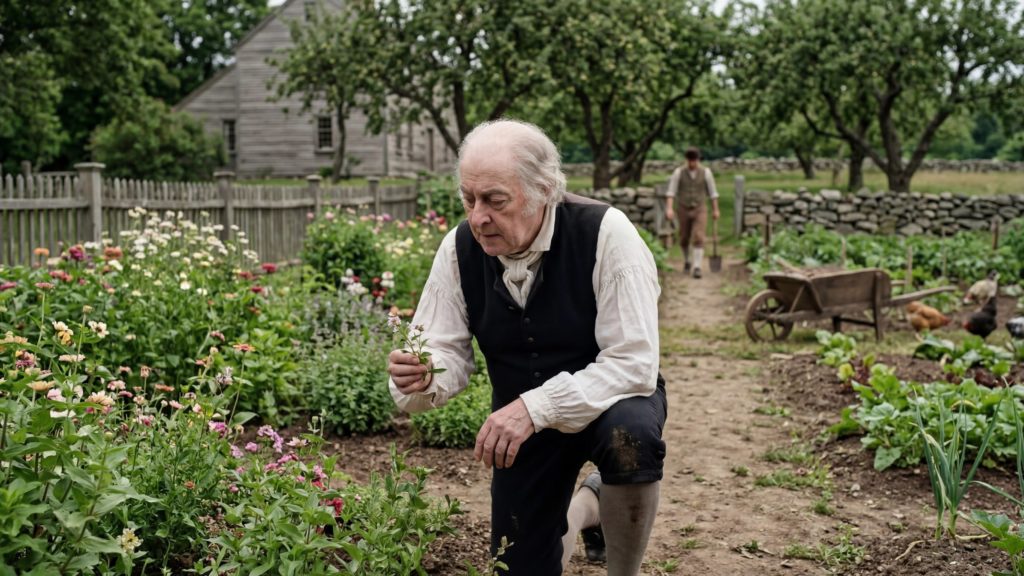
I am obnoxious, suspected, and unpopular; you are very much otherwise.
John Adams, explaining to Thomas Jefferson why Jefferson, not Adams, should write the Declaration of Independence
Recorded in later accounts of the 1776 drafting committee, explaining why Adams stood aside and let Jefferson draft the Declaration[17][18].
Timeline
How it unfolded
30 October 1735
Birth of John Adams
John Adams was born near Boston in the part of Braintree, Massachusetts, that was later incorporated as Quincy, fourth in descent from Henry Adams, who settled in Massachusetts about 1630.[21] The date is 19 October in the old-style calendar, which is 30 October by the modern one.[22][23]
25 October 1764
Marriage of John Adams and Abigail Smith
Adams recorded in his own account that on this day he married Miss Smith, second daughter of the Rev. William Smith of Weymouth, a connection he called the source of all his felicity.[24][25]
October 1770
Adams Defends the Boston Massacre Soldiers
Amid the public fury over the Boston Massacre, Adams served as co-counsel for Captain Thomas Preston, whose trial in the Suffolk Superior Court ran from 24 to 30 October 1770 and became one of the most famous cases of his legal career.[26, p. 10][23] He also acted for Preston's soldiers, with his friend and kinsman Josiah Quincy assisting him.[1]
11 June 1776
Adams Named to the Declaration Committee
Congress appointed Adams to the five-man committee to draft a formal Declaration of Independence, alongside Franklin, Jefferson, Roger Sherman and Robert R. Livingston.[27] Richardson's compilation describes him that year as the adviser and great supporter of the Declaration.[21]
3 September 1783
Adams Signs the Treaty of Paris
Adams signed the definitive treaty of peace between the United States and Great Britain at Paris, together with Franklin and Jay and with D. Hartley signing for Britain.[28] Congress had appointed him in September 1779 to negotiate treaties of peace and commerce with Britain.[29, p. 6]
April 1789
Adams Becomes Vice-President
Chosen Vice-President on the ticket with Washington, Adams took his seat as president of the Senate at New York in April 1789 and was reelected in 1792.[21]
4 March 1797
Inauguration of John Adams as President
On Washington's retirement Adams was elected President and was inaugurated on 4 March 1797, after narrowly defeating Thomas Jefferson in the contest.[21][29, p. 8] He retired to Quincy on 4 March 1801.[21]
Dig Deeper
Copy any prompt below into your favourite AI chat to keep exploring.
Adams-Jefferson correspondence 1812-1826 explained
what it takes for two people who reshaped a country to actually forgive each other
the fifty-year friendship that needed two decades of silent treatment first
Further Reading
Where to read more
John Adams — White House Historical Association
A concise official biography covering Adams's path from a Massachusetts farm to the vice presidency and presidency.
Why look at this: A fast, reliable overview before digging into his defense of the British soldiers after the Boston Massacre and his one term as president.
https://www.whitehousehistory.org/bios/john-adamsJohn Adams: Life in Brief — Miller Center, University of Virginia
A fuller scholarly biography from UVA's Miller Center, part of a full set of linked essays on Adams's campaigns, presidency, and family life.
Why look at this: Goes deeper into the Federalist-Republican split and the Alien and Sedition Acts than a short biography can, with further essays linked at the end.
https://millercenter.org/president/adams/life-in-briefFounders Online: The Adams Papers — U.S. National Archives
A free, searchable archive of tens of thousands of original Adams family letters and documents, drawn from the Massachusetts Historical Society's Adams Papers.
Why look at this: Lets you read Adams's own words directly, including his side of the correspondence with Thomas Jefferson that repaired their friendship after 1812.
https://founders.archives.gov/about/AdamsRelated
Keep exploring



Can be seen in
Where this shows up

References
Sources
Sources
- DocumentThe Presidents of the United States, 1789-1914/John Adams ↑
- BookLife and public services of John Quincy Adams, sixth president of the United States by William Henry Seward ↑
- BookA history of old Braintree and Quincy : with a sketch of Randolph and Holbrook by William S. Pattee. Page 144. ↑
- BookLife in a New England town, 1787, 1788 : diary of John Quincy Adams while a student in… by John Quincy Adams and Charles Francis Adams ↑
- BookHistory of the Boston Massacre, March 5, 1770; consisting of the narrative of the town, the trial of… by Frederic Kidder ↑
- BookSigners of the Declaration: Historic Places Commemorating the Signing of the Declaration of Independence by Robert G. Ferris ↑
- BookAbigail Adams and Her Times by Laura Elizabeth Howe Richards ↑
- BookWritings of John Quincy Adams by John Quincy Adams and Worthington Chauncey Ford ↑
- WebsiteSpecial Session Message to Congress (XYZ Affair), May 16, 1797. Page 1. ↑
- WebsiteThe Alien and Sedition Acts of 1798. Page 9. ↑
- BookLife of Thomas Jefferson, with selections from the most valuable portions of his voluminous and unrivalled private correspondence.… by B. L Rayner ↑
- BookThe life of Thomas Jefferson, third president of the United States, 1801-1809 by Edward Sylvester Ellis, G. Mercer Adam and Isidore A Zacharias ↑
- WebsiteAdams Family Foreign Policy: Letters and Diaries from Europe (Complete Unit). Page 14. ↑
- WebsiteJohn Adams, Thoughts on Government (1776). Page 1. ↑
- BookCorrespondence of John Adams and Thomas Jefferson by John Adams ↑
- BookLife and public services of John Quincy Adams, sixth President of the United States, with the eulogy delivered… by William H. Seward ↑
- BookThe true Thomas Jefferson by William Eleroy Curtis ↑
- BookThe Declaration of Independence : a study in the history of political ideas by Carl Lotus Becker ↑
- BookLetters of Mrs. Adams, the wife of John Adams by Abigail Adams, John Adams and Charles Francis Adams. Page 3. ↑
- WebsiteThe Adams Network and the Quasi-War, 1797-1798. Pages 16, 25. ↑
- BookA Compilation of the Messages and Papers of the Presidents. Volume 1, part 2: John Adams ↑
- BookThe Ladies of the White House; Or, in the Home of the Presidents by Laura C. Holloway ↑
- Websitewhitehousehistory.org: John adams ↑
- BookColonel William Smith and lady; the romance of Washington's aide and young Abigail Adams by Katharine Metcalf Roof ↑
- Websitewhitehousehistory.org: Abigail adams ↑
- WebsiteDiary and Autobiography of John Adams, Vol. I. Page 10. ↑
- BookAmerican progress: or, The great events of the greatest century, including also life delineations of our most noted… by R. M. Devens ↑
- BookDefinitive treaty of peace and friendship between His Britannic Majesty and the United States of America : signed… by etc. United States Great Britain. Treaties and etc. Great Britain United States. Treaties ↑
- WebsiteAdams Family Foreign Policy: Introduction and Timeline. Pages 6, 8. ↑
- BookSix historic Americans; Paine, Jefferson, Washington, Franklin, Lincoln, Grant, the fathers and saviors of our republic, freethinkers by John Eleazer Remsburg ↑
- BookAbigail Adams and Her Times by Laura Elizabeth Howe Richards ↑