
Roger Ducos, a lawyer from Dax who sat in the Convention and generally followed the lead of Sieyes on the Directory.
Provisional Consul of France / Director
The Director who backed Bonaparte at Brumaire, briefly became one of only three rulers of France — then split the Directory's cash box with Sieyès on his way out the door[1].
Bio
Who they were
Roger Ducos was born in 1754[1]. He was sent to the National Convention as a deputy for the department of the Landes, in south-west France[1]. Like many of his fellow deputies, he voted for the execution of King Louis XVI[1].
Ducos went on to become President of the Council of Ancients, one of the two legislative chambers, holding that position at the time of the coup of 18 Fructidor in September 1797[1]. In 1799 he was made a member of the five-man Directory[2, p. 408]. One contemporary account of the period describes him as "alone a safe man" among the Directors — someone who understood that the real secret of statesmanship was knowing how to attach himself to the winning side[2, p. 408].
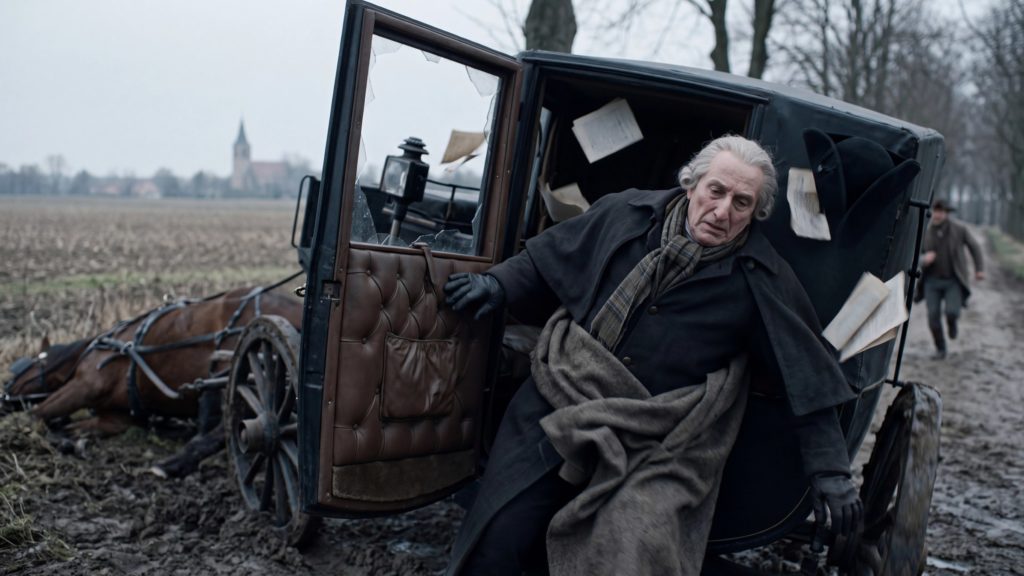
Ducos read the political wind correctly again in 1799, conspiring with the Abbé Sieyès and Napoleon Bonaparte against the very Directory he sat on[1]. During the coup of 18–19 Brumaire (9–10 November 1799), Sieyès and Ducos voluntarily resigned as part of the plot, Barras was forced to follow, and Gohier and Moulin were arrested for refusing[2, p. 408]. Ducos was then elected President of the new three-man Provisional Consulate, alongside Bonaparte and Sieyès[1].

At the very first sitting of the new government, Ducos and Sieyès divided between themselves the old Directory's cash box, said to hold between 800,000 and 900,000 francs[1]. He was later made a peer of France during Napoleon's Hundred Days in 1815, but was afterward banished under the law targeting former regicides[1]. He died near Ulm in March 1816[1].
Ducos is remembered less for any policy achievement than for the manner of his political survival: he backed the winning side at both Fructidor and Brumaire, and briefly held the presidency of France's new provisional government before being pushed aside by Bonaparte within weeks[1][2, p. 408]. His 1793 regicide vote caught up with him at the end of his life, when the restored monarchy's law against former regicides forced him into the exile where he died[1].
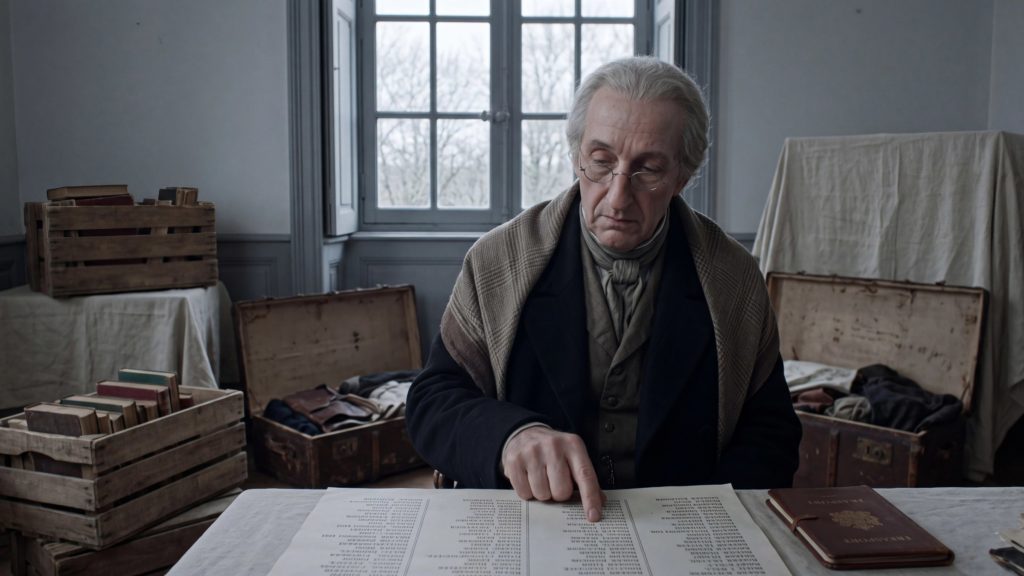
At the first meeting of Bonaparte's new government, before anyone had settled into their roles, Ducos and Sieyès reportedly split the old Directory's remaining cash between themselves — a fittingly self-interested final act from the Director once described as "alone a safe man"[1][2, p. 408].
Legacy & Reputation
What’s the verdict?
A contemporary account calls Ducos “alone a safe man” among the Directory’s members, a politician who believed the true secret of statesmanship was the discretion to attach himself to the winning side[2, p. 408]. This is a pointed, somewhat unflattering characterisation from a single early-20th-century history,.
Myth-buster
Think you know this one?
Ducos is sometimes remembered simply as a minor Directory figure, but for a few weeks in November 1799 he was, formally, one of only three rulers of France, sharing the presidency of the Provisional Consulate with Napoleon Bonaparte and the Abbé Sieyès[1].
Quick Facts
The essentials
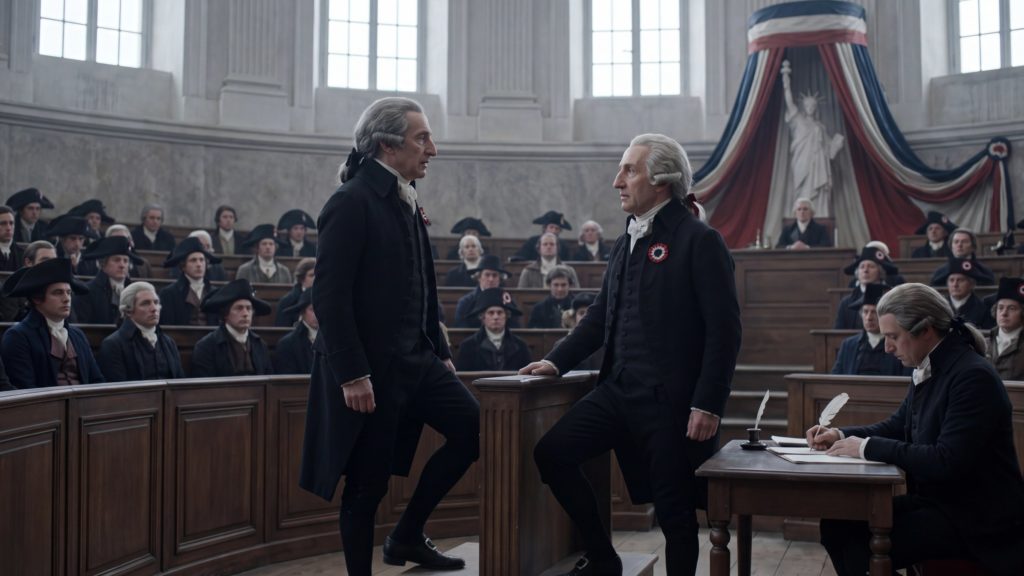
Quick Facts
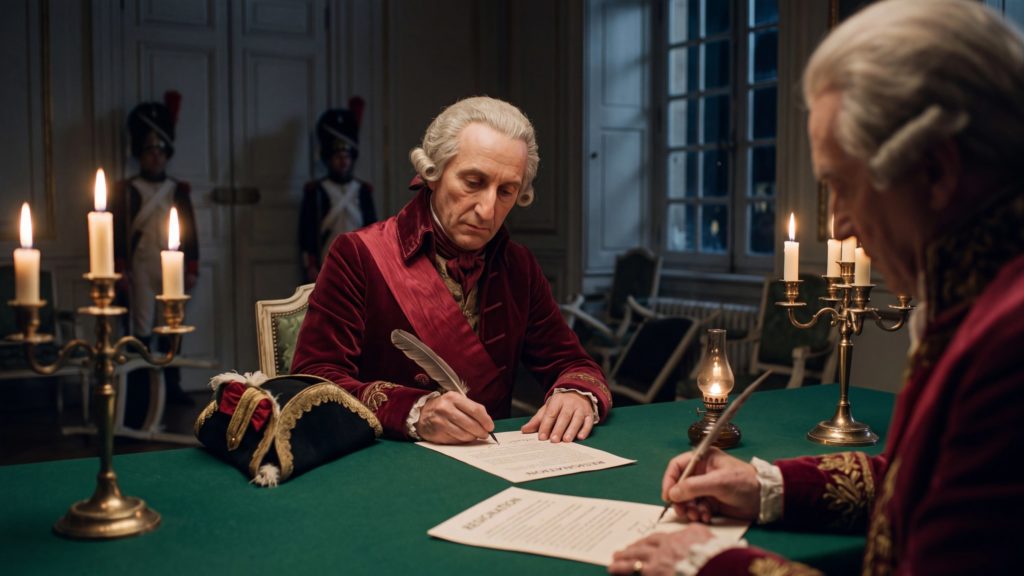
Roger would like you to know…
Roger Ducos was born in 1754 and sent to the National Convention by the department of the Landes, where — like most of his colleagues that year — he voted for the execution of Louis XVI[1].
Keith checked the sources…
Ducos wasn't a bystander in revolutionary politics: he served as president of the Council of Ancients on "the celebrated day" of the 18 Fructidor coup of 1797, two years before he helped stage an even bigger one[1].
One for the Ageonauts…
In the Directory's final months, Ducos allied himself firmly with Sieyès, both wanting constitutional change, while colleagues Gohier and Moulin simply thought Bonaparte deserved a military command instead[3] — a split that Bonaparte exploited completely.
Roger says, "Hear me out…"
"He conspired with Sieyès and Bonaparte against the Directory," one record states plainly[1], and on 19 Brumaire Ducos was duly elected one of France's three provisional Consuls, alongside the two men he'd been plotting with.
Keith has spotted the quotation problem…
At the Consuls' very first sitting, Bonaparte simply took the president's armchair — "which neither Sieyès nor Roger-Ducos dared to dispute with him." Ducos, "already gained over," declared that Bonaparte alone could save the country[4, p. 346].
History gets strange here…
That same night, Sieyès and Ducos split the Directory's private treasury of nearly 800,000 francs — except Sieyès, "adopting the lion's mode of division," kept most of it and left Ducos a "trifling douceur" of just 100,000[4, p. 346].
Keith would like to clarify…
One historian judged Ducos "alone a safe man," reasoning that his true political skill "lies in the exercise of the power of discretion which enables one to attach oneself to the winning side"[2, p. 408] — not exactly a ringing endorsement of principle.
Roger has entered the historical rabbit hole…
Ducos's opportunism eventually paid off again: during Napoleon's brief return in 1815, the Hundred Days, he was made a peer of France[1] — one last promotion for backing the winning side at exactly the right moments.
The past has entered the chat…
The winning side eventually ran out of road. After Waterloo, France's restored monarchy passed a law banishing former regicides who had supported Napoleon's 1815 return, and Ducos — who had voted to execute Louis XVI in 1793 — was exiled[1].
Meanwhile, in history…
Ducos died in exile near Ulm in March 1816, only months after his banishment[1] — the man who once helped a young general seize supreme power ended his own story a very long way from Paris.
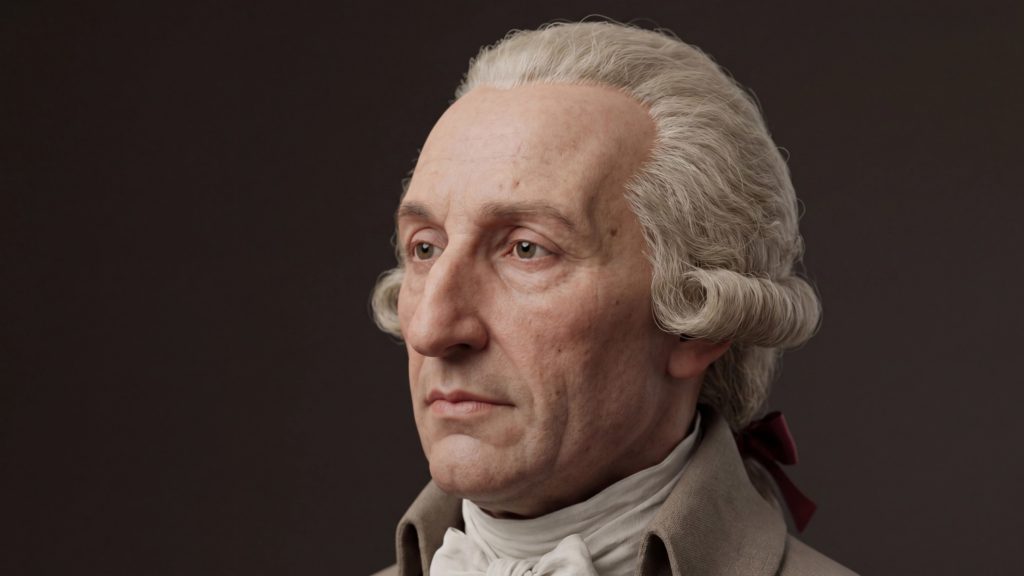
In spite of his absolute lack of talent, he attained the highest of positions — an exceptional fact in the history of the French Revolution.
The Encyclopaedia Britannica, 11th edition (1911)
The 1911 Britannica's summary of Ducos captures how a lawyer with no independent political profile of his own ended up as one of the three provisional consuls beside Bonaparte and Sieyès after 18 Brumaire.
Timeline
How it unfolded
25 July 1747
Birth of Roger Ducos
Pierre Roger Ducos, better known as Roger Ducos, was born on 25 July 1747.[5][6]
1792
Ducos Elected to the National Convention
Ducos was sent to the Convention in 1792 by the department of the Landes and voted for the death of the King.[7][1]
18 June 1799
Roger Ducos Joins the Directory
Ducos was elected Director in place of Merlin de Douai on 18 June 1799.[6] Walter Geer notes that he was elected as successor to Merlin, alongside Moulin in place of La Revelliere.[3]
10 November 1799
Named Provisional Consul
After conspiring with Sieyes and Bonaparte against the Directory, Ducos was elected president of the provisional consulate on the 19th Brumaire.[1] Mignet gives the 19th Brumaire of the year VIII as 10 November 1799.[8] Roger-Ducos, Sieyes and Bonaparte were the first three provisional consuls.[9]
Dig Deeper
Copy any prompt below into your favourite AI chat to keep exploring.
Explain how Roger Ducos went from an obscure Directory politician to briefly being one of only three rulers of France after the coup of Brumaire.
What does it mean that a name as obscure as Roger Ducos briefly held a share of supreme power in France?
Pitch Roger Ducos's few weeks as one of France's three rulers like the ultimate 'right place, right coup' career move.

Further Reading
Where to read more
Biography of Ducos, Pierre-Roger
A structured biographical reference entry covering Ducos's legal career, his vote to execute Louis XVI, and his brief tenure as one of France's three Provisional Consuls in 1799.
Why look at this: Lays out, in one place, exactly how an obscure Landes lawyer ended up as one of only three rulers of France for five weeks in 1799.
https://www.archontology.org/nations/france/france_state1/ducos1.phpRoger Ducos - Consul then Senator (Napoléon & Empire)
An English biography tracing Ducos's path from the Directory through the Consulate, the Senate, and into exile.
Why look at this: Details how Paul Barras personally had Ducos 'elected Director in place of Merlin de Douai' in June 1799, intending to use him as a 'passive instrument' - explaining exactly why Ducos was positioned to go along with Bonaparte's coup five months later.
https://www.napoleon-empire.org/en/personalities/roger_ducos.phpPierre Roger Ducos (Sycomore - Base de données des députés français depuis 1789, Assemblée nationale)
The French National Assembly's own official archival register entry for every deputy since 1789, including Ducos's recorded career and verbatim voting record.
Why look at this: Preserves his actual recorded words casting the death vote against Louis XVI - 'je vote donc pour la mort' - the single act that both built his later career and, 23 years later, got him struck from the Legion of Honour and exiled.
https://www2.assemblee-nationale.fr/sycomore/fiche?num_dept=12707Related
Keep exploring





Can be seen in
Where this shows up

References
Sources
Sources
- BookThe Memoris Of Joseph Fouche ( Vol - Ii ) ↑
- BookThe French revolution from the age of Louis 14 to the coming of Napoleon by Harold Felix Baker Wheeler. Page 408. ↑
- BookThe French revolution : a historical sketch by Walter Geer ↑
- BookMemoirs of Joseph Fouché : Duke of Otranto, minister of the General Police of France : with portraits by Joseph Fouché. Page 346. ↑
- Websiteen.wikipedia.org: Roger Ducos ↑
- Websitenapoleon-empire.org: Roger ducos ↑
- Websitesenat.fr: Pierre roger ducos comte dempire 1747 1816 ↑
- BookThe French revolution from 1789 to 1815 by M. Mignet and James Westfall Thompson ↑
- BookA dictionary of Napoleon and his times by Hubert N.B Richardson ↑