
Marie Josephe Rose Tascher de La Pagerie, known as Rose until Bonaparte, who preferred her other name, made her Josephine.
Empress of the French
The widow of a guillotined aristocrat who reinvented herself as Napoleon's wife and France's Empress — then, unable to give him an heir, was divorced but never entirely let go.[1]
Bio
Who they were
Marie-Josèphe-Rose Tascher de la Pagerie — later known as Josephine — was born in 1763 on the Caribbean island of Martinique[2], the daughter of Joseph-Gaspard Tascher de la Pagerie, a member of the French colonial planter class[3]. Raised on her family's plantation, she grew up far from mainland French society and its politics. While still young she was sent to France to marry Alexandre de Beauharnais[3], a well-connected nobleman, beginning a life that would carry her from colonial Martinique into the center of revolutionary and imperial France.
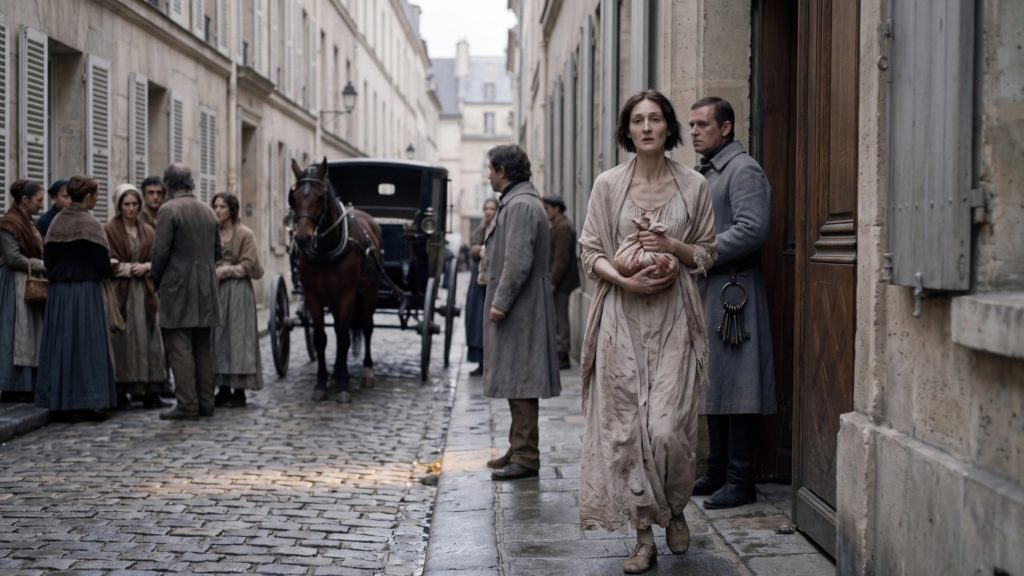
Josephine's marriage to Alexandre de Beauharnais produced two children, Eugène and Hortense[2], though the marriage itself was troubled. The French Revolution then upended everything: Alexandre was guillotined during the Terror in 1794[4], and Josephine herself was imprisoned, associated with the notorious Carmes prison in Paris[5], narrowly avoiding execution before the Terror ended. Widowed, with two young children and little money, she rebuilt her position through Paris's fashionable post-Revolutionary social circles, where she met a rising young general named Napoleon Bonaparte.
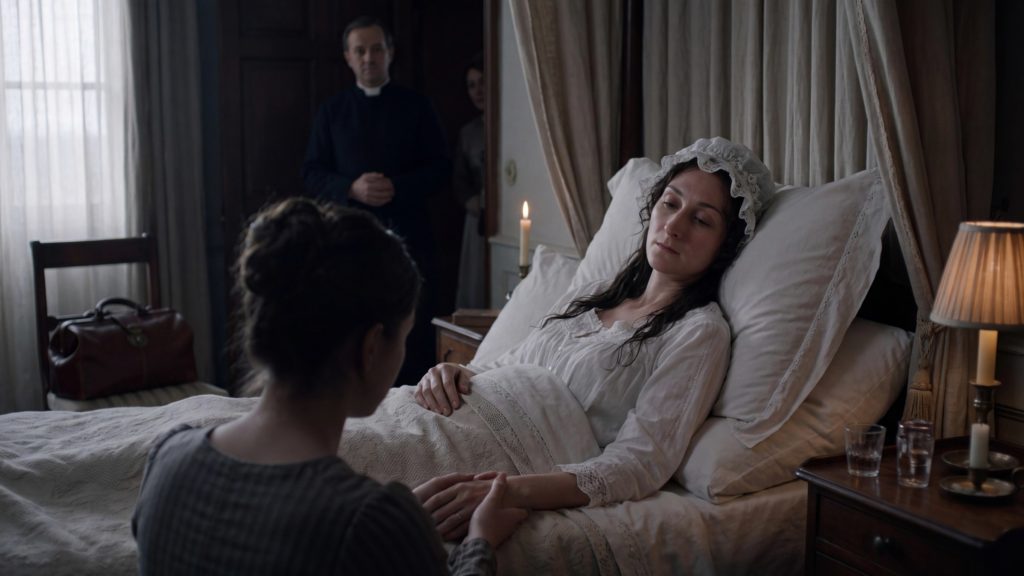
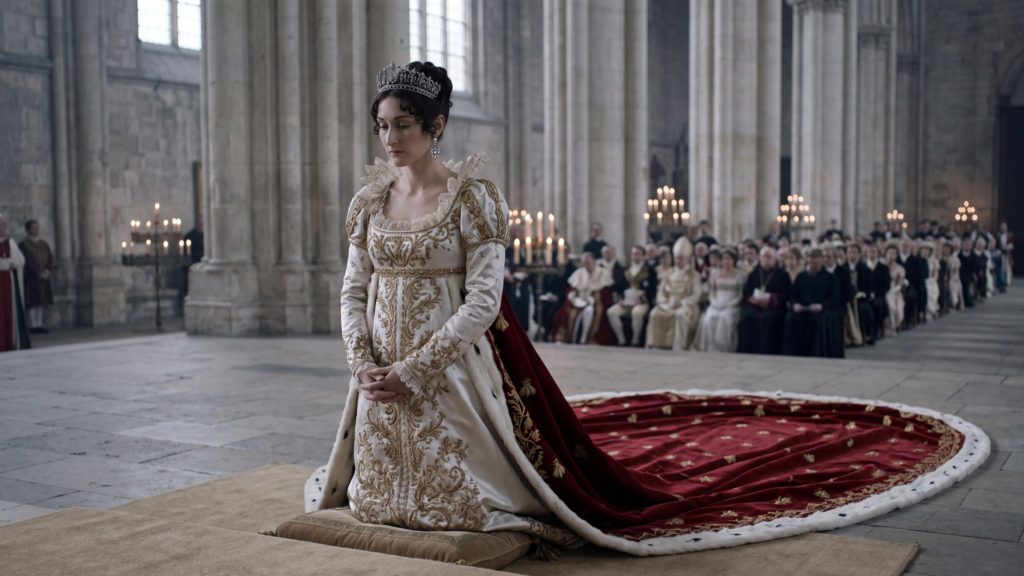
Josephine married Napoleon in 1796, and as his political power grew, so did hers. When Napoleon crowned himself Emperor in December 1804, he crowned her Empress alongside him at Notre-Dame[3], placing a former colonial widow at the very center of the new French imperial court. But the marriage's central problem never went away: Josephine bore Napoleon no children, and with his empire needing an heir, he had the marriage formally dissolved by the Senate on 15 December 1809[1]. Even divorced, she kept the title of Empress and retired to Malmaison, the château outside Paris she had made her own, remaining on friendly terms with Napoleon.
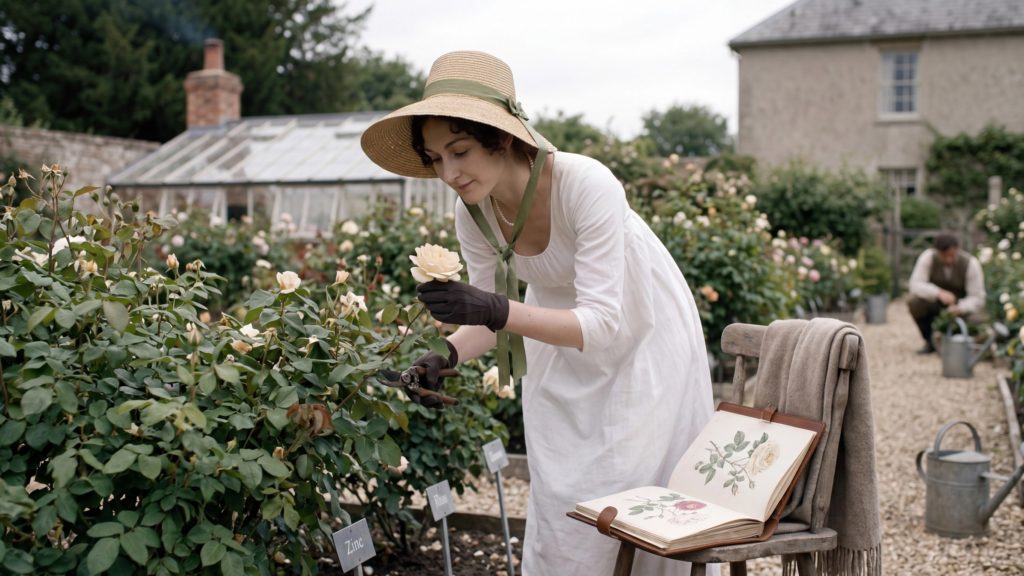
Josephine outlived her marriage to Napoleon but not by long. In May 1814, shortly after Napoleon's first abdication, she fell seriously ill[6] and died at Malmaison; among the visitors during her final weeks was the Russian Tsar Alexander I, who called on her there[7, p. 218]. She was buried at the church in Rueil, near Malmaison[8], mourned by a court that had, in many ways, already moved on from Napoleon's rule.
Josephine's lasting image is less about political power than personal reinvention and resilience: a colonial planter's daughter who survived the shadow of the guillotine during the Terror to become Empress of the French. Her divorce, rather than erasing her from history, became part of her story's emotional core — a woman who kept Napoleon's loyalty and affection even after their marriage ended. Through her children's marriages into other European royal families, her bloodline continued into several later monarchies, giving a former Martinique planter's daughter an unusually long royal legacy across nineteenth- and twentieth-century Europe.[5]
Even after their divorce, Napoleon and Josephine stayed in contact. Earlier, during their courtship, he had written to her addressing her as "sweet and incomparable Josephine"[6], part of a series of surviving love letters that show a far more emotionally open Napoleon than his public, commanding image suggests.
Legacy & Reputation
What’s the verdict?
Josephine’s reputation owes much to how Napoleon himself remembered her. The biographer Walter Geer reports that on Saint Helena he exclaimed, “She was the best woman in France!”[8], and Imbert de Saint-Amand wrote that popular instinct held the divorce had not brought him good luck[9, p. 1]. Her love of roses at Malmaison is remembered in a rose named Souvenir de Malmaison[8].
Myth-buster
Think you know this one?
It’s often assumed Napoleon divorced Josephine because he had fallen out of love with her; in fact, the 1809 divorce[1] was driven by the political need for an heir — Josephine had not borne him any children — and the two remained on affectionate terms afterward.
Quick Facts
The essentials
Quick Facts
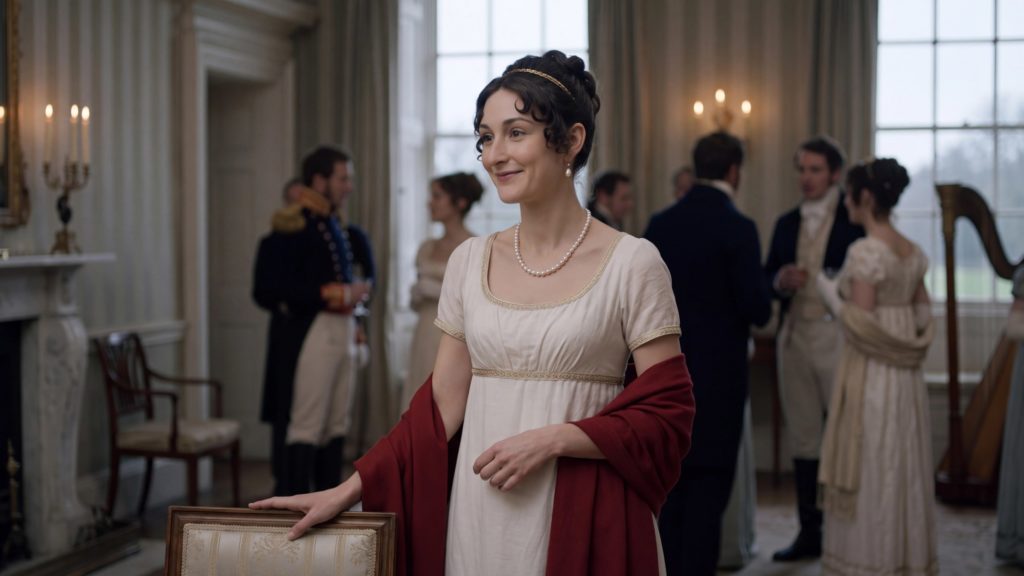
Roger would like you to know…
Josephine wasn't born anywhere near Paris — she came into the world on Martinique in 1763, in France's Caribbean sugar colony, daughter of a minor plantation family[10]. Empress of the French began life a very long way from Versailles.
Keith checked the sources…
Her actual name was Marie-Josèphe-Rose Tascher de la Pagerie[11]. Napoleon was the one who decided 'Joséphine' suited her better — and, being Napoleon, that was pretty much that.
Roger said it. Keith checked it…
Josephine's first husband, Alexandre de Beauharnais, was guillotined during the Terror in 1794[3]. She was widowed by the Revolution years before she ever met the general who'd make her an empress.
Keith found the footnote…
Josephine herself was imprisoned at Les Carmes during the Terror, awaiting the same fate as her first husband. The fall of Robespierre on the ninth of Thermidor saved them both from the guillotine, and she walked free ten days later[12][8].
File under: surprisingly true…
Josephine married Napoleon, then a rising young general six years her junior, on the 8th of March 1796[13, p. 240]. He left for his Italian campaign within days — not the honeymoon most newlyweds imagine.
Roger has entered the historical rabbit hole…
At Malmaison, Josephine filled the lakes with black and white swans as part of her passion for landscaping the grounds[13, p. 88]. Roses get all the credit for her garden today, but the swans were just as much her signature.
One for the Ageonauts…
In 1810, Napoleon divorced Josephine because she hadn't given him an heir[14]. She kept the title Empress and the Château de Malmaison, and by most accounts remained on genuinely warm terms with him afterwards.
Keith would like to clarify…
Josephine's daughter, Hortense de Beauharnais, married Napoleon's brother Louis Bonaparte in 1802[15, p. 135]. Their son later became Emperor Napoleon III[13, p. 88] — meaning the woman divorced for failing to produce an heir still ended up as a future emperor's grandmother.
Roger insists this matters…
After Josephine's death at Malmaison in May 1814, Tsar Alexander I — one of the very monarchs who had just helped force Napoleon into exile — visited the house to pay his respects[16]. Even her ex-husband's conquerors seemed to like her.
The familiar story leaves this out…
'Not tonight, Josephine' is one of the best-known lines ever pinned on Napoleon, and there's no evidence he ever said it. The phrase doesn't turn up anywhere until early-1900s music-hall songs, more than a century after his death[17]. History gave Josephine a punchline she never actually earned.
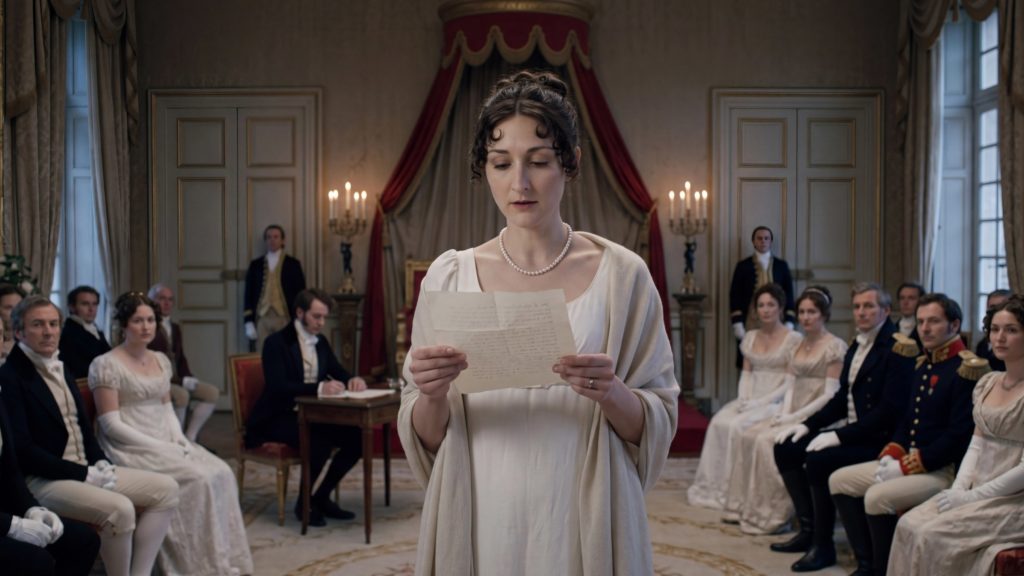
If happiness could bring health, I ought to be well.
Josephine de Beauharnais
LOWER CONFIDENCE - snippet was short and could not be fully verified: a first-person line found in a Josephine-focused biographical source, apparently reflecting on her declining health late in life[13, p. 240].
Timeline
How it unfolded
23 June 1763
Birth of Josephine on Martinique
Marie-Rose Josephine Tascher de la Pagerie, the future Empress Josephine, was born on the island of Martinique, the daughter of Joseph Gaspard Tascher de la Pagerie and Rose-Claire Desvergers de Sanois.[3][10]
13 December 1779
Marriage to Alexandre de Beauharnais
Josephine was brought from Martinique to France and married the Vicomte Alexandre de Beauharnais at Noisy-le-Grand, when he was nineteen and she just sixteen.[3][3] Their son Eugene was born in 1781 and their daughter Hortense in 1783.[3]
23 July 1794
Beauharnais Executed and Josephine Imprisoned
After a perfunctory trial Alexandre de Beauharnais was condemned to death and suffered on 23 July 1794.[3] According to Tarbell, his wife was a prisoner at the time of his death and was released soon after.[18]
9 March 1796
Marriage to Napoleon Bonaparte
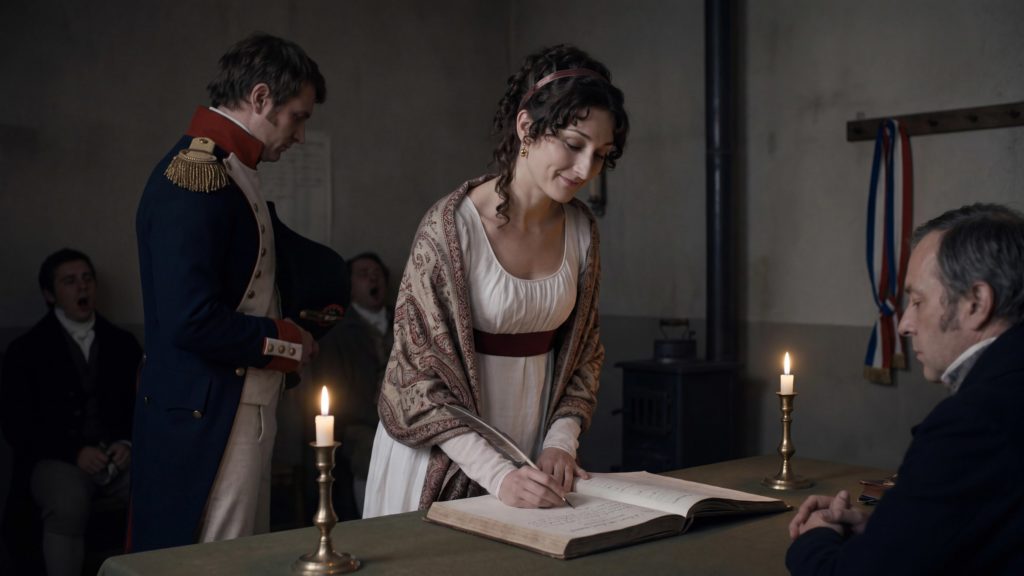
Josephine and Napoleon Bonaparte were married in a civil ceremony before the mayor of the second ward of Paris, while Napoleon was working night and day to prepare for the Italian campaign.[3][10]
2 December 1804
Coronation as Empress of the French
On the eve of the coronation Josephine was married anew to Napoleon, this time with the rites of religion.[3] At the ceremony in Notre Dame on 2 December 1804, Napoleon took the diadem from the pope, crowned himself, and then placed a crown on the brow of the kneeling Josephine.[19][2]
16 December 1809
Dissolution of the Marriage to Napoleon
Because Josephine had no children by Napoleon, her marriage to him was dissolved by law on 16 December 1809.[10] Napoleon's desire for an heir was the reason for the divorce, and the Senate's decree let Josephine keep the titles and rank of a crowned Empress-Queen.[3][3]
Dig Deeper
Copy any prompt below into your favourite AI chat to keep exploring.
Explain who Josephine de Beauharnais was and what her marriage to Napoleon meant for his rise to power.
What does it mean that one of Napoleon's biggest personal milestones on his way to power was a marriage, not a battle?
Tell me 3 other power couples in history whose marriage was as much strategy as romance.
Further Reading
Where to read more
Josephine - Britannica
Reference biography of Josephine, from her 1763 birth in Martinique through her first marriage, imprisonment during the Terror, marriage to Napoleon, and death at Malmaison in 1814.
Why look at this: Gets straight to the key turning point - her 1810 divorce from Napoleon, forced through because she could not give him an heir, even after he had made her Empress.
https://www.britannica.com/biography/JosephineJOSEPHINE (Marie-Joseph-Rose de Tascher de la Pagerie) - napoleon.org
Fuller Fondation Napoleon biography covering her first marriage to Alexandre de Beauharnais, his execution during the Terror, her own imprisonment and survival, her 1796 marriage to Napoleon, and her later years developing Malmaison.
Why look at this: Traces the specific twist that both Josephine and her first husband Alexandre were imprisoned together during the Terror in 1794 - he was executed, she survived only because Robespierre fell days before her own scheduled execution.
https://www.napoleon.org/en/history-of-the-two-empires/biographies/josephine-marie-joseph-rose-de-tascher-de-la-pagerie/Napoleon's Letters to Josephine, 1796-1812
A 1901 published edition of Napoleon's actual surviving letters to Josephine, free full text on the Internet Archive, no login required.
Why look at this: Includes the famously passionate letters Napoleon wrote her from the Italian campaign in 1796, just weeks after their wedding, while she stayed behind in Paris - the private counterpoint to the public Empress.
https://archive.org/details/napoleonsletters00napoialaRelated
Keep exploring


Places


Can be seen in
Where this shows up

References
Sources
Sources
- BookThe Life of Napoleon Bonaparte. Vol. 3 (of 4) by William Milligan Sloane ↑
- BookNapoleon and the end of the French revolution by Charles F. Warwick ↑
- BookA dictionary of Napoleon and his times by Hubert N.B Richardson ↑
- BookThe life of Napoleon the Third by Archibald Forbes ↑
- BookDuring the reign of terror; journal of my life during the French revolution by Grace Dalrymple Elliott and E. Jules Méras ↑
- BookNapoleon's Letters to Josephine, 1796-1812 by Emperor of the French Napoleon I ↑
- BookThe curse of the Romanovs, a study of the lives and the reigns of two tsars: Paul I… by A. S. Rappoport. Page 218. ↑
- BookNAPOLEON AND JOSEPHINE THE RISE OF THE EMPIRE by WALTER GEER ↑
- BookMarie Louise The Island Of Elba And The Hundred Days by Imbert De Saint - Amand. Page 1. ↑
- DocumentThe New Student's Reference Work/Josephine, Marie Rose ↑
- DocumentA Cyclopaedia of Female Biography/Josephine Rose Tascher de la Pagerie ↑
- BookThe Life of Napoleon Bonaparte. Vol. 1 (of 4) by William Milligan Sloane ↑
- BookA Life of Napoleon Bonaparte, with a Sketch of Josephine, Empress of the French. by Ida M. Tarbell. Pages 88, 240. ↑
- DocumentCatholic Encyclopedia (1913)/Napoleon I (Bonaparte) ↑
- BookMemoirs of Napoleon Bonaparte — Complete by Louis Antoine Fauvelet de Bourrienne. Page 135. ↑
- BookThe Napoleon dynasty: or, The history of the Bonaparte family. An entirely new work by C. Edwards Lester and Edwin Williams ↑
- Websiteoupacademic.tumblr.com: Misquotation napoleon josephine ↑
- BookA life of Napoleon Bonaparte; with a sketch of Josephine, empress of the French by Ida M. Tarbell ↑
- BookThe history of Napoleon III, emperor of the French. Including a brief narrative of all the most important… by John S. C. Abbott ↑
- BookNapoleon the Third; the romance of an emperor by Walter Geer ↑