
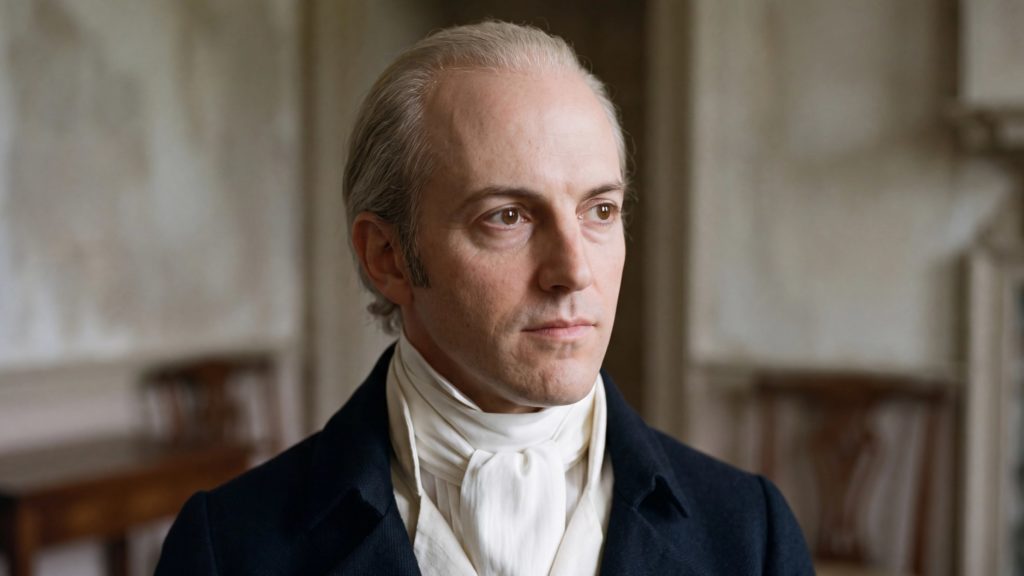
Aaron Burr
Third Vice President of the United States; U.S. Senator from New York; Attorney General of New York; Revolutionary War officer
Jefferson's own running mate in 1800 — until an accidental electoral tie between them threw the presidency into a thirty-six-ballot deadlock in the House of Representatives[1, p. 192], and Alexander Hamilton, of all people, ended up deciding which of them he distrusted less[2].
Bio
Who they were
Aaron Burr was born on 6 February 1756 in Newark, New Jersey[2], the son of a Presbyterian minister who also served as president of the College of New Jersey, the school now known as Princeton[3]. He lost both parents and his grandparents while still a small child, and grew up orphaned, raised mainly by an uncle[2]. He proved a strong student despite this unsettled start: he entered the college his own father had once led, and graduated with honors at just sixteen years old[4, p. 405]. He briefly studied theology and law before the American Revolution interrupted his plans.
Burr abandoned his law studies to join the Continental Army, volunteering for Benedict Arnold's grueling winter expedition against British-held Quebec in 1775[1, p. 192]. He served through several campaigns before ill health forced him to resign his commission and resume the study of law. Admitted to the New York bar, he built a fast-moving legal and political career in New York City, serving as the state's Attorney General before winning election to the United States Senate in 1791 — where he defeated General Philip Schuyler, Alexander Hamilton's own father-in-law[5], an early sign of a rivalry that would come to define both men's careers.

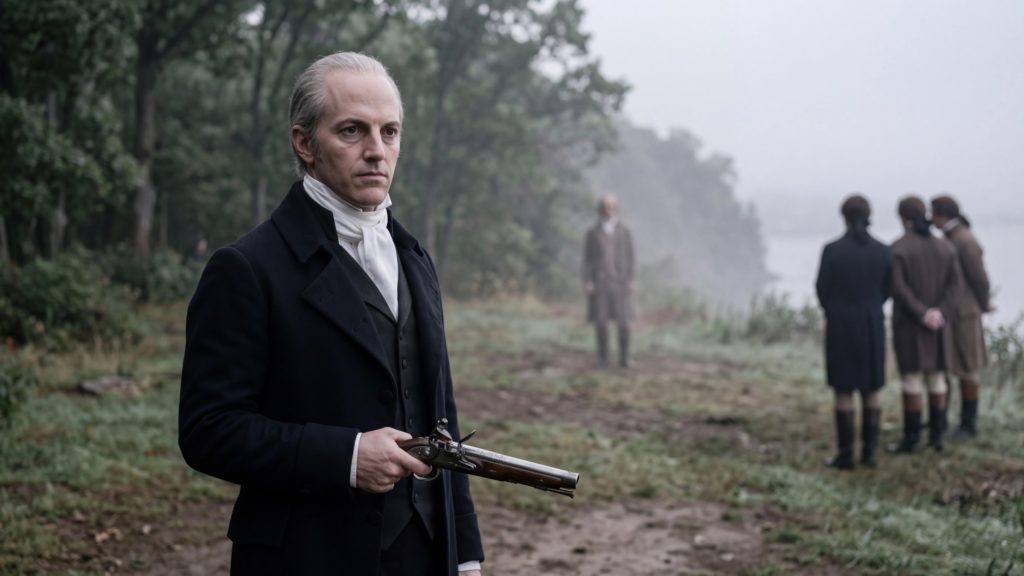
Burr's defining year was 1800. As Thomas Jefferson's chosen running mate for the Democratic-Republicans, he unexpectedly tied Jefferson exactly in the Electoral College — the original system did not yet let electors cast separate votes for president and vice president[1, p. 192]. The tie threw the election into the House of Representatives, which deadlocked for thirty-six ballots before Jefferson finally won, partly because Hamilton judged Burr the more dangerous man of the two[2]. Four years later, escalating hostility between Burr and Hamilton ended in a duel at Weehawken, New Jersey, where Burr mortally wounded his old rival[6].
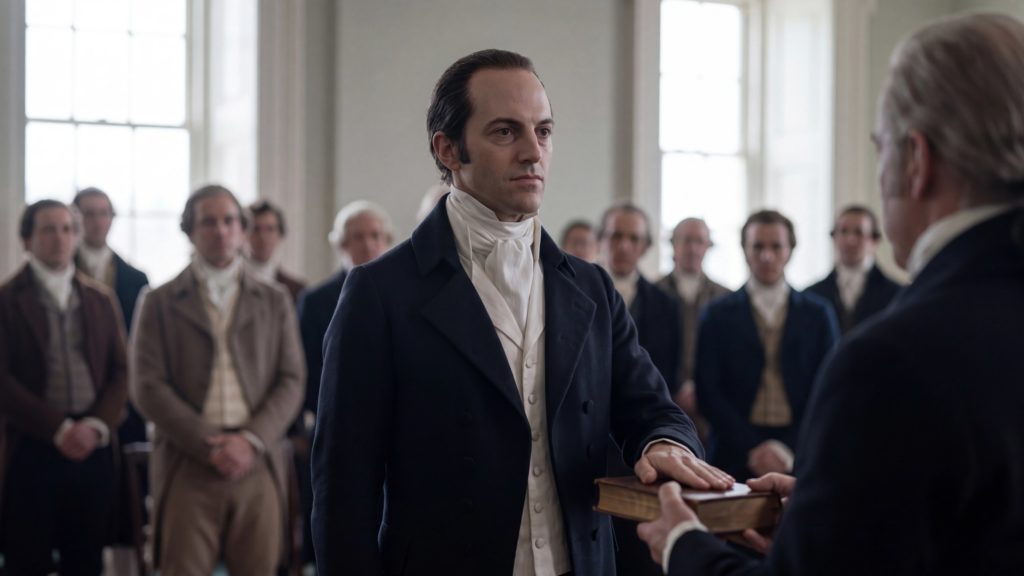
The duel effectively ended Burr's political career, even though dueling between political rivals was not unusual among the era's leading men[7, p. 31]. He later traveled west and was arrested and tried for treason over an alleged scheme involving Spanish territory; he was acquitted[8, p. 5], but his reputation never recovered. He spent years abroad and in relative obscurity before quietly resuming legal practice in New York. He died on 14 September 1836 at Port Richmond, on Staten Island[5], largely written out of the founding generation's story.
Burr's 1800 tie with Jefferson exposed a genuine flaw in the Constitution's original election machinery: because electors could not yet cast separate votes for president and vice president, two candidates from the same party could accidentally deadlock the whole system. Congress fixed the flaw directly — the process that became the Twelfth Amendment obliged electors to vote separately for each office specifically so 1800 could not happen again[9]. In that sense, Burr's accidental tie reshaped how every American presidential election has been run since 1804, even though his own name rarely gets credit for the change.
Burr's final marriage was as dramatic as the rest of his life: at around 77 years old, deep in debt, he married the wealthy widow Eliza Jumel, who filed for divorce within months. The divorce was formally granted on 14 September 1836[8, p. 29] — the very same day Burr died.
Legacy & Reputation
What’s the verdict?
Burr’s own early biographer, Matthew L. Davis, argued that no period of American political history had been “more misunderstood” than Burr’s own[10, p. 521]. Later writers have echoed that judgement, describing Burr as “this much misunderstood American” rather than the flat villain of popular memory[11, p. 432]. Even so, the duel with Hamilton and the treason trial remain the two events his reputation is still built around, whatever the fuller record shows.
Myth-buster
Think you know this one?
Burr is remembered as history’s obvious villain for killing Alexander Hamilton, but duelling between political rivals was common practice among the era’s leading men[7, p. 31], and the criminal charges brought against Burr over Hamilton’s death were eventually dropped altogether[12, p. 3] — it was the later, separate treason case that actually ended his career.
Quick Facts
The essentials
Quick Facts
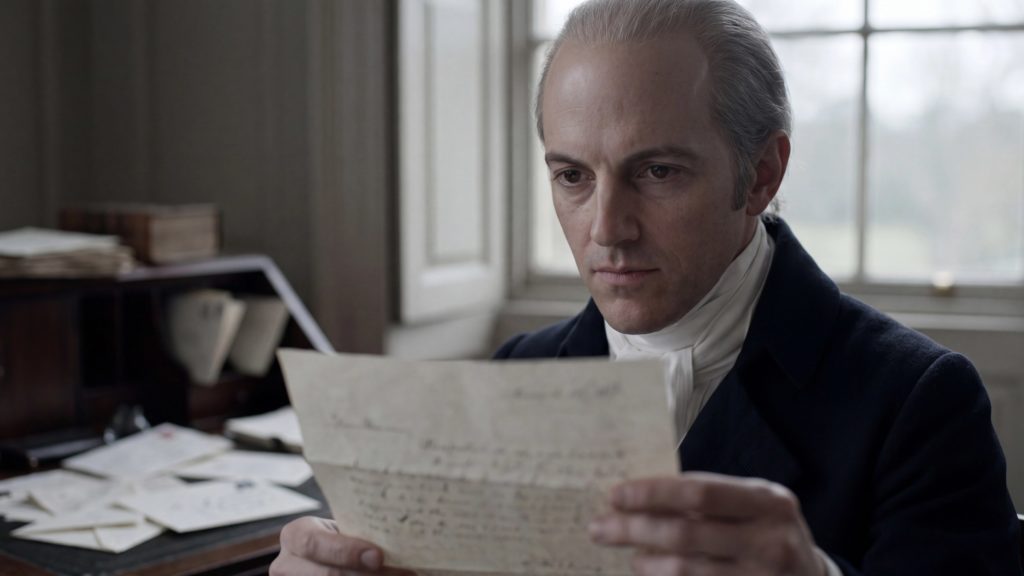
Roger would like you to know…
Aaron Burr graduated from Princeton with honors at just sixteen years old[4, p. 405] — not bad for a boy who had already lost both parents and his grandparents before most children even learn to spell "orphan"[2].
Keith checked the sources…
Burr is often cast as history's clear villain for killing Alexander Hamilton, but the criminal charges brought against him over the duel were eventually dropped altogether[12, p. 3] — it was a separate treason trial, years later, that actually finished his career.
Down the rabbit hole we go…
In 1800, Burr accidentally tied his own running mate, Thomas Jefferson, in the Electoral College — because the original Constitution didn't yet let electors vote separately for president and vice president[1, p. 192].
A small fact with a very large consequence…
The chaos of the 1800 tie directly produced the Twelfth Amendment, which now requires electors to cast separate ballots for president and vice president[9] — every U.S. election since 1804 has run on a rule written because of Burr.
Roger has entered the historical rabbit hole…
Burr's first major political scalp was Alexander Hamilton's own father-in-law: in 1791 he won a U.S. Senate seat by defeating General Philip Schuyler[5] — Roger suspects Hamilton never quite forgave him for the awkwardness at family dinners alone.
Keith would like to clarify…
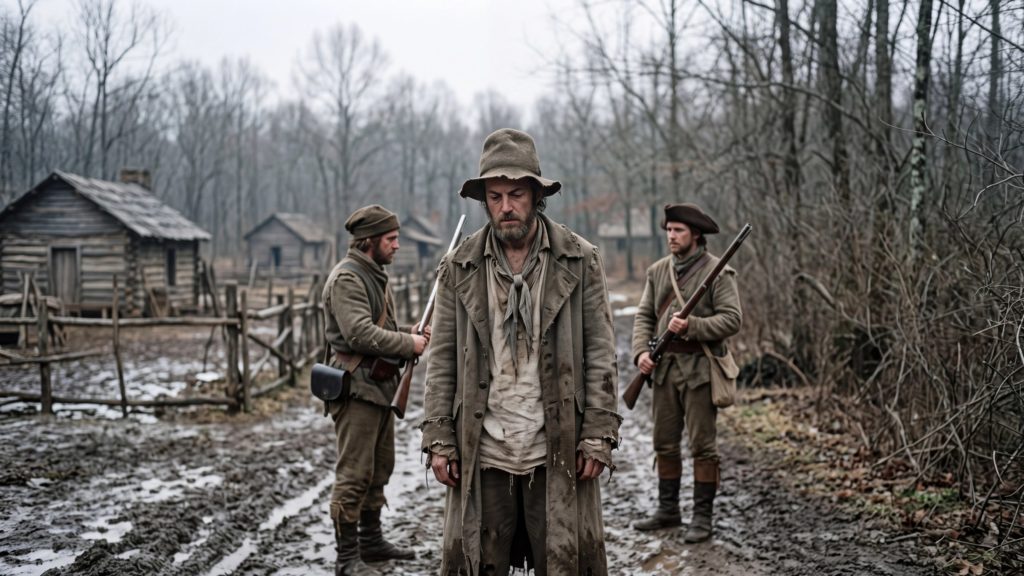
Burr was tried for treason in 1807 over an alleged scheme in the West, and acquitted[8, p. 5] — acquitted, not exonerated in the public's mind, which is a distinction that mattered a great deal to how history remembered him.
This sounds invented, but…
At around 77 years old, deep in debt, Burr married the wealthy widow Eliza Jumel. She filed for divorce within months, and it was finally granted on 14 September 1836[8, p. 29] — the very same day Burr died.
Keith has spotted the footnote…
The line "the law is whatever is boldly asserted and plausibly maintained," often quoted as Burr's own philosophy, doesn't actually come from Burr — it comes from a 1901 historical novel about him[17, p. 421], not from anything he's recorded as having said.
One for the Ageonauts…
Before any of the politics, twenty-year-old Burr volunteered for Benedict Arnold's brutal winter march on Quebec in 1775[1, p. 192] — an expedition so gruelling that simply surviving it counted as a career achievement.
Roger says, “Hear me out…”
Reports reaching Burr said Hamilton had called him "a dangerous man, and one who ought not to be trusted with the reins of government"[2] — which, Roger points out, is a genuinely brutal thing to say about your own Vice President-elect.
Law is whatever is boldly asserted and plausibly maintained.
Aaron Burr
A line that captures the combative, self-justifying legal mind Burr brought both to his career as a lawyer and to his own defense after Hamilton's death and his later treason trial.
Timeline
How it unfolded
6 February 1756
Birth of Aaron Burr
Aaron Burr was born on 6 February 1756 in Newark, New Jersey.[18][19]
31 December 1775
Burr at the Assault on Quebec
Serving as an aide to General Richard Montgomery, Burr took part in the assault on Quebec on the stormy night of 31 December 1775, in which Montgomery was killed.[20][21][22]
1791
Burr Elected to the US Senate
Burr was elected to the United States Senate in 1791, in opposition to General Philip Schuyler.[23][3]
17 February 1801
Election Tie with Jefferson
Burr and Jefferson each received seventy-three electoral votes, sending the election to the House of Representatives, which chose Jefferson on the 36th ballot on 17 February 1801; Burr became Vice President.[24][15][22]
11 July 1804
Duel with Alexander Hamilton
While Vice President, Burr fought a duel with Alexander Hamilton at Weehawken, New Jersey, on 11 July 1804; Hamilton was mortally wounded and Burr was charged with murder but never tried.[5][22]
1 September 1807
Acquittal in the Treason Trial
At Richmond, Virginia, a federal jury returned a verdict of not guilty in Burr's treason trial on 1 September 1807.[25][8, p. 16][22]
Dig Deeper
Copy any prompt below into your favourite AI chat to keep exploring.
Tell me how Jefferson's running mate Aaron Burr ended up in a thirty-six-ballot deadlock for the presidency.
Does Burr deserve his villain reputation, or have the duel and the treason trial hidden a fairer picture?
Roast the image of Aaron Burr as history's obvious villain, then tell me what complicates it.
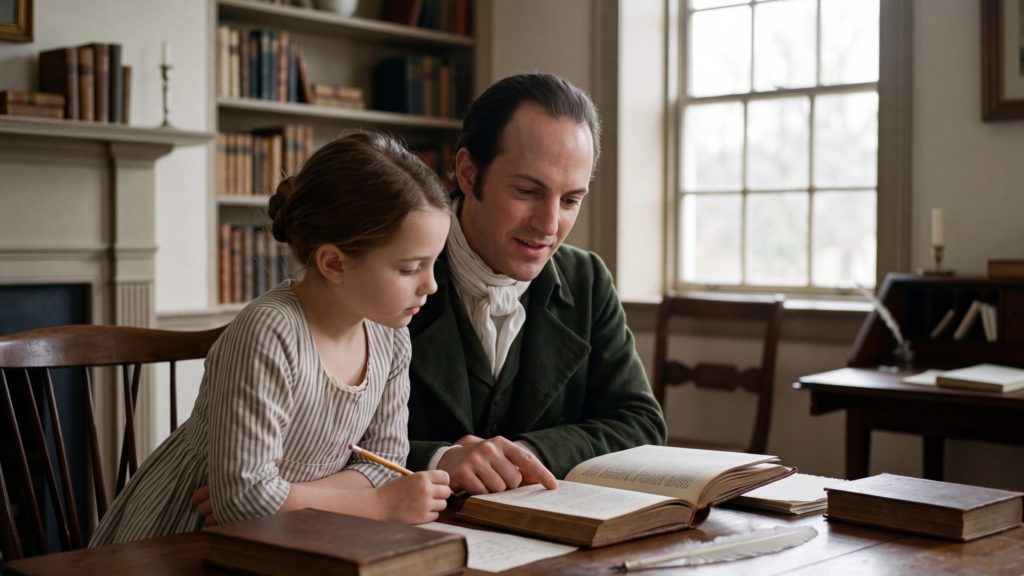
Further Reading
Where to read more
Aaron Burr — Britannica
A concise overview of Burr's career as a Revolutionary War officer, senator, and vice president, and of the Hamilton duel and treason trial that defined his later reputation.
Why look at this: Gives the full shape of Burr's rise and fall in a single read, including exactly how the duel and the treason charge relate to each other.
https://www.britannica.com/biography/Aaron-BurrAaron Burr (1801–1805) — Miller Center
The Miller Center's essay on Burr's vice presidency, covering the 1800 electoral tie with Jefferson, the 36-ballot deadlock in the House, and his time presiding over the Senate.
Why look at this: Covers the exact episode Founding Frenemies dramatizes — the accidental tie with Jefferson — in far more procedural detail than a short biography can.
https://millercenter.org/president/jefferson/essays/burr-1801-vicepresidentThe Aaron Burr Treason Trial — Federal Judicial Center
A documentary history of Burr's 1807 treason trial, assembled by the Federal Judicial Center, including original indictment materials and trial correspondence.
Why look at this: Puts the reader directly into the primary legal record of the trial that ended Burr's political career, rather than a later summary of it.
https://www.fjc.gov/sites/default/files/trials/burrtrial.pdfRelated
Keep exploring



Can be seen in
Where this shows up

References
Sources
Sources
- BookThe life and times of Aaron Burr. . v. 2 : lieutenant-colonel in the army of the revolution… by aaron burr. Page 192. ↑
- BookThe true Aaron Burr; a biographical sketch by Charles Burr Todd ↑
- BookThe life and times of Alexander Hamilton : aide-de-camp, secretary, and minister of General Washington; illustrating the history… by Christopher James Riethmüller ↑
- BookMemoirs of Aaron Burr by Aaron Burr and Matthew L. Davis. Page 405. ↑
- BookThe private journal of Aaron Burr by Aaron Burr, William H Samson and William K. Bixby ↑
- BookHistoric Adventures: Tales from American History by Rupert Sargent Holland ↑
- WebsiteDueling as Politics (Joanne B. Freeman chapter, hosted by Dickinson College). Page 31. ↑
- WebsiteThe Aaron Burr Treason Trial, by Charles F. Hobson (Federal Judicial Center). Pages 5, 16, 29. ↑
- BookHistory of the United States of America, Volume 2 (of 9) : $b During the first administration of… by Henry Adams ↑
- BookMemoirs of Aaron Burr : with miscellaneous selections from his correspondence by Aaron Burr and Matthew L. Davis. Page 521. ↑
- BookHistory of the Burr portraits, their origin, their dispersal and their reassemblage / by John E. Stillwell. Page 432. ↑
- WebsiteExtended History of Collection M-018: Theodosia Burr (St. Louis Mercantile Library, UMSL). Page 3. ↑
- BookThe life and times of Aaron Burr, lieutenant-colonel in the army of the revolution, United States senator, vice-president… by James Parton ↑
- BookBurr bibliography : a list of books relating to Aaron Burr by Hamilton Bullock Tompkins. Page 486. ↑
- BookMemoirs of Aaron Burr, Complete by Aaron Burr ↑
- BookReports of the trials of Colonel Aaron Burr, (late vice president of the United States,) for treason, and… by Aaron Burr. Page 37. ↑
- BookBlennerhassett; or, The decrees of fate; a romance founded upon events in American history by Charles Felton Pidgin. Page 421. ↑
- BookShout treason : $b the trial of Aaron Burr by Francis F. Beirne ↑
- BookMemoirs of Aaron Burr, Volume 1. by Aaron Burr ↑
- BookThe life and times of Aaron Burr by James Parton ↑
- BookHistorical sketches of the Revolutionary and Civil Wars : with an account of author's desperate leap from a… by J. Madison Drake ↑
- Websiteen.wikipedia.org: Aaron Burr ↑
- BookAaron Burr, his personal and political relations with Thomas Jefferson and Alexander Hamilton by Isaac Jenkinson ↑
- BookThe Aaron Burr conspiracy by Walter Flavius McCaleb ↑
- BookThe private journal of Aaron Burr, during his residence of four years in Europe; with selections from his… by Aaron Burr and Matthew L. Davis ↑