
Abigail Adams
Second First Lady of the United States (1797-1801); political advisor and correspondent of President John Adams
The self-taught farm wife who ran the Adams household and finances alone for years, then told her husband in the middle of a revolution to "remember the ladies"[1, p. 1].
Bio
Who they were
Abigail Smith was born on 11 November 1744 (Old Style) in Weymouth, Massachusetts[2][3, p. 13]. Her father, the Reverend William Smith, was the town's Congregationalist minister for more than forty years[4][5]. Like almost all girls of her era, Abigail received no formal schooling[3, p. 3], but she read widely in her father's library and became, in her own family's words, a self-taught, lifelong reader[2]. That informal education shaped the sharp, confident writing voice she used for the rest of her life.
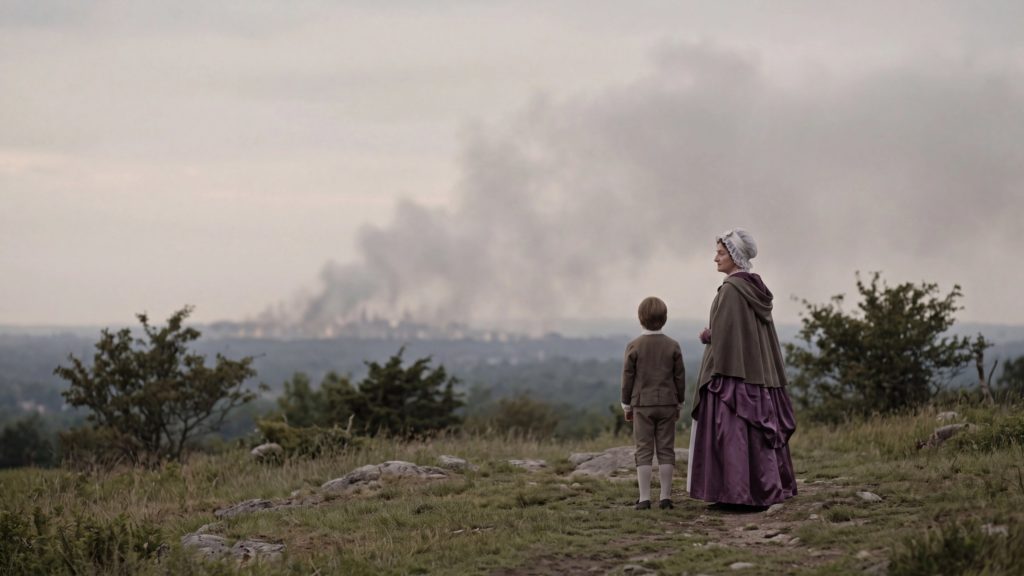
In 1764, at nineteen, Abigail married John Adams, a young Massachusetts lawyer[6][3, p. 13]. As John's legal and political career pulled him away from home for months and later years at a time, Abigail took charge of running the family farm, finances, and the children's upbringing largely by herself[7, p. 50]. During the Revolutionary War she lived through real danger, including a smallpox outbreak that led her to have herself and her children inoculated[8][8]. Through it all she wrote constantly, building the huge correspondence with John that survives today.
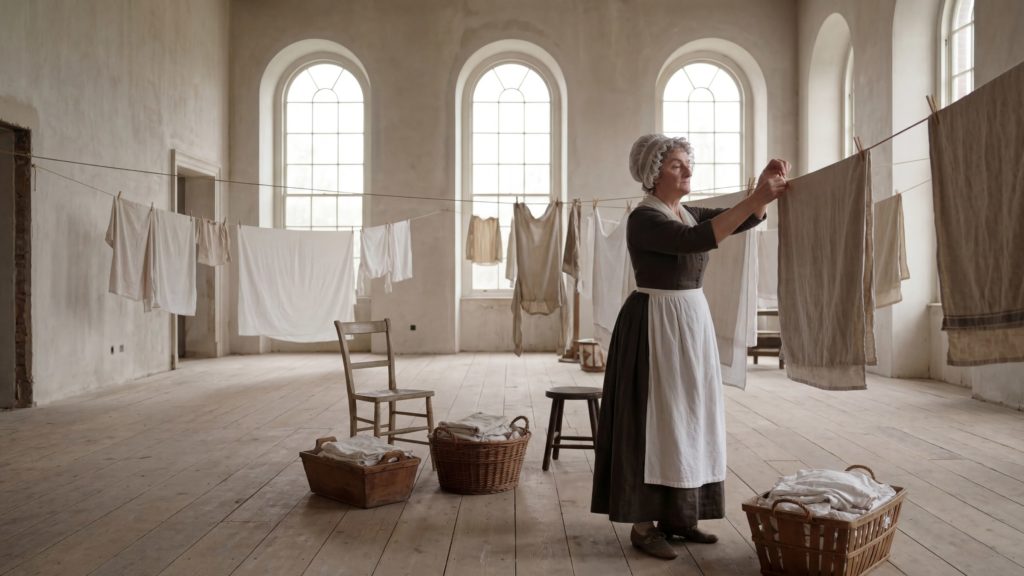
In March 1776, while John was at the Continental Congress helping debate American independence, Abigail wrote urging him to "remember the ladies" and not put "unlimited power" into husbands' hands[9, p. 1][1, p. 1]. She later joined John in Paris and London during his diplomatic postings[3, p. 13]. When John became the second President and the government moved to the new, unfinished capital in 1800, Abigail became the first First Lady to live in the President's House. Finding most of the building unusable, she turned its enormous, unfinished East Room into a drying room and hung the family laundry there[10][8].
After John lost the bitterly contested election of 1800 to Thomas Jefferson, Abigail returned with him to their family home in Quincy, Massachusetts[11]. She died there on 28 October 1818, at the age of seventy-three, eight years before John[8][12]. She did not live to see their son, John Quincy Adams, become the sixth President in 1825[13].
Abigail's letters, published in collections such as the Adams Family Correspondence, remain one of the richest surviving personal records of the American Revolution and the early republic[7, p. 50]. Her 1776 "remember the ladies" letter has become one of the most quoted documents from the founding era, cited again and again in later discussions of women's place in American political life[14, p. 19]. She was the first American woman to be both the wife of one president and the mother of another[13].
Unlike John, Abigail never kept a personal diary — almost everything historians know of her private thinking comes from her letters instead[15]. Wartime shortages hit her household hard: in one letter she complains that a bundle of pins that used to cost only a little now cost far more, when they could be found at all[8].
Legacy & Reputation
What’s the verdict?
Abigail Adams is remembered today as one of the most historically significant early First Ladies, largely because so much of her private correspondence survives and has been published[7, p. 50]. Some modern accounts present her as a straightforward early feminist; other historians argue this reads more into her 1776 letter than she intended, since she was chiefly appealing for legal protection from husbands who misused their authority, not for full political equality[14, p. 19].
Myth-buster
Think you know this one?
Abigail’s “remember the ladies” letter is often remembered as a demand for women’s votes or legal equality. Historians who have studied the letter closely note she was mainly asking that husbands not be given “unlimited power” over their wives — a narrower, though still striking, demand for 1776[14, p. 19][1, p. 1].
Quick Facts
The essentials
Quick Facts
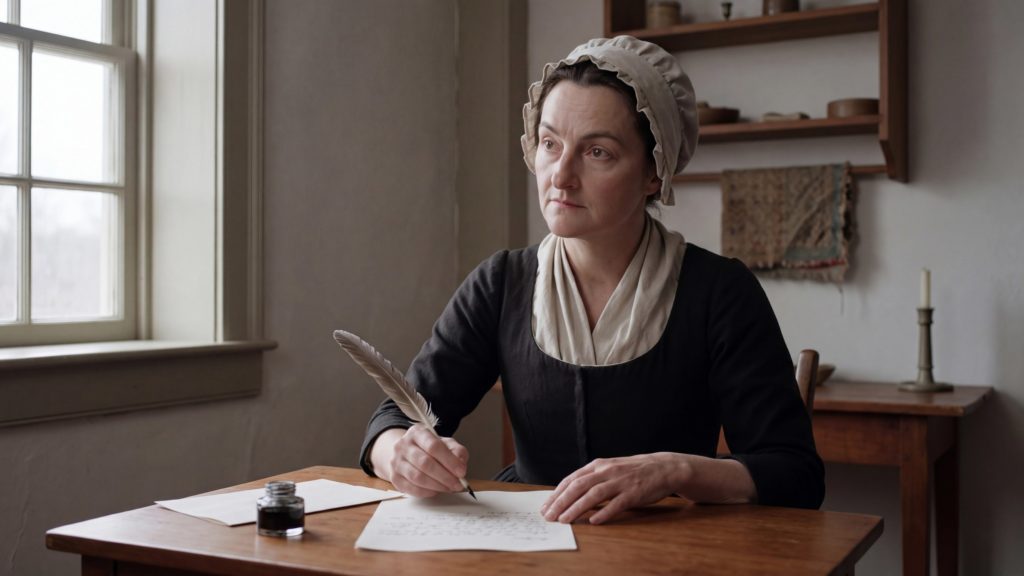
Roger would like you to know…
Roger would like you to know that Abigail Adams never received a single day of formal schooling, and taught herself to become one of the most widely read women in early America purely through her father's library[3, p. 3].
Keith checked the sources…
Keith checked the sources: when Abigail moved into the still-unfinished President's House in 1800, she really did turn the vast, empty East Room into a drying room for the family's laundry[10].
This sounds invented, but…
This sounds invented, but it's a real letter: in March 1776, while John was helping debate independence in Philadelphia, Abigail wrote telling him to "remember the ladies" and not give husbands "unlimited power" over their wives[1, p. 1].
Keith would like to clarify…
Keith would like to clarify: "Remember the Ladies" wasn't a call for women's votes or full legal equality. Historians who've studied the letter closely say Abigail was mainly asking for legal protection from husbands who misused their authority[14, p. 19].
One for the Ageonauts…
One for the Ageonauts: while John spent years away at Congress and in Europe, Abigail single-handedly ran the family farm, finances, and household for most of two decades[7, p. 50].
History gets strange here…
History gets strange here: during a smallpox outbreak, Abigail had herself and her children deliberately inoculated with a controlled dose of the disease — a risky but increasingly trusted precaution at the time[8].
Roger has entered the historical rabbit hole…
Roger has entered the historical rabbit hole: Abigail was the first woman in American history to be both the wife of one president and the mother of another, John Quincy Adams, the sixth President[13].
Keith has spotted the problem…
Keith has spotted the problem: wartime shortages hit Abigail's household hard. In one letter she complains that a bundle of pins that used to be cheap now cost far more, if you could find any at all[8].
File under: surprisingly true…
File under: surprisingly true — unlike her husband, Abigail never kept a personal diary. Almost everything we know of her inner life comes from her enormous surviving correspondence instead[15].
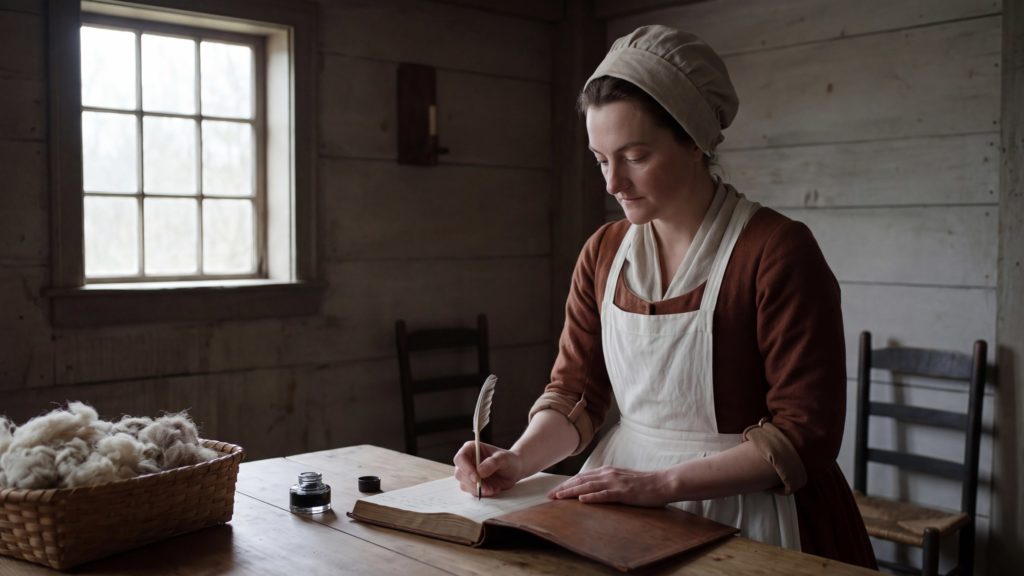
I desire you would Remember the Ladies, and be more generous and favourable to them than your ancestors. Do not put such unlimited power into the hands of the Husbands.
Abigail Adams, in a letter to John Adams
Written 31 March 1776 while John was at the Continental Congress in Philadelphia; the original manuscript survives at the Massachusetts Historical Society[1, p. 1][15].
Timeline
How it unfolded
22 November 1744
Birth of Abigail Smith
Abigail Smith was born at Weymouth, Massachusetts, the second of three daughters of the Rev. William Smith, minister of the town's small Congregational church.[17] Her birth is recorded as 11 November 1744 in the old-style calendar, which is 22 November by the modern one.[17][18]
25 October 1764
Marriage of Abigail Smith and John Adams
Abigail Smith of Weymouth married John Adams, beginning a partnership kept up through years of separation by letters, most of her many epistles being addressed to her husband.[7, p. 5][6][19]
31 March 1776
Abigail Urges John to 'Remember the Ladies'
Writing from Braintree while she longed to hear that independence had been declared, Abigail asked John to remember the ladies in the new code of laws and to be more generous and favourable to them than his ancestors.[1, p. 1][20, p. 1]
20 June 1784
Abigail Sails to Join John in Europe
Abigail and her daughter Abigail 2d sailed from Boston for England, reaching London on 21 July, before joining John at Auteuil near Paris.[21, p. 7] At Auteuil, Thomas Jefferson was a frequent evening guest.[8]
June-July 1787
Abigail Cares for Jefferson's Daughter in London
In London the Adamses looked after Jefferson's daughter Mary and her companion Sally Hemings, who were travelling to join him in Paris.[21, p. 8] On 1 July 1787 Jefferson wrote from Paris thanking Abigail for her kind attention to his little daughter.[7, p. 62]
November 1800
Abigail Moves into the President's House
The President's House at Washington was ready for occupancy in November 1800, though its interior was still unfinished when John and Abigail Adams moved in.[22, p. 2] She lived there for only the last four months of her husband's term.[18]
Dig Deeper
Copy any prompt below into your favourite AI chat to keep exploring.
Tell me what Abigail Adams did to run the household and finances alone, and what her "remember the ladies" letter really asked for.
Was Abigail Adams an early feminist, or does that read too much into her 1776 letter?
Roast the idea that the first President's House was ready to live in, using Abigail's laundry-filled East Room as proof.
Further Reading
Where to read more
Abigail Adams — White House Historical Association
An official biography covering Abigail's marriage, her management of the Adams household during John's long absences, and her months in the President's House.
Why look at this: Covers her brief but eventful time as the first First Lady to live in the new, unfinished presidential mansion in 1800.
https://www.whitehousehistory.org/bios/abigail-adamsAbigail Adams — National Women's History Museum
A fuller biography focused on her self-directed education, her advocacy during the Revolution, and her political partnership with John Adams.
Why look at this: Gives more space than a short biography to the argument behind her 1776 "Remember the Ladies" letter, and what she was and wasn't asking for.
https://www.womenshistory.org/education-resources/biographies/abigail-adamsLetter from Abigail Adams to John Adams, 31 March - 5 April 1776 — Massachusetts Historical Society
The digitized original manuscript and full transcription of the actual "Remember the Ladies" letter, held by the Massachusetts Historical Society.
Why look at this: Lets you read Abigail's famous appeal in her own words, in the full context of the rest of the letter, not just the one quoted line.
https://www.masshist.org/digitaladams/archive/doc?id=L17760331aaRelated
Keep exploring
People

Places

Can be seen in
Where this shows up

References
Sources
Sources
- WebsiteAbigail Adams Reminds John Adams to "Remember the Ladies". Page 1. ↑
- BookFamiliar letters of John Adams and his wife Abigail Adams, during the Revolution : with a memoir of… by John Adams, Abigail Adams and Charles Francis Adams ↑
- WebsiteAn Observation of Women during American Revolution. Pages 3, 13. ↑
- BookFamiliar Letters of John Adams and His Wife Abigail Adams During the Revolution: with a Memoir of Mrs.… by John Adams and Abigail Adams ↑
- BookAbigail Adams as a typical Massachusetts woman at the close of the colonial era by Mary Lucille Shay ↑
- BookColonel William Smith and lady; the romance of Washington's aide and young Abigail Adams by Katharine Metcalf Roof ↑
- WebsiteAbigail Adams, the Writer: "My pen is always freer than my tongue". Pages 5, 50, 62. ↑
- BookAbigail Adams : the second first lady by Dorothie De Bear Bobbé ↑
- WebsiteAbigail Adams: "Remember the Ladies" (1776). Page 1. ↑
- BookJefferson and Hamilton : The struggle for democracy in America by Claude G. Bowers ↑
- BookSigners of the Declaration: Historic Places Commemorating the Signing of the Declaration of Independence by Robert G. Ferris ↑
- BookThe heavenly sisters; or, Biographical sketches of the lives of thirty eminently pious females, partly extracted from the… by T Sharp and John Stanford ↑
- BookLife and public services of John Quincy Adams, sixth President of the United States, with the eulogy delivered… by William H. Seward ↑
- WebsiteAbigail Adams: The Feminist Myth. Page 19. ↑
- BookAbigail Adams and Her Times by Laura Elizabeth Howe Richards ↑
- Websitemillercenter.org: Adams 1797 abigail firstlady ↑
- BookLetters of Mrs. Adams, the wife of John Adams by Abigail Adams, John Adams and Charles Francis Adams ↑
- Websiteen.wikipedia.org: Abigail Adams ↑
- Websitewhitehousehistory.org: Abigail adams ↑
- WebsiteAbigail and John Adams Letters. Page 1. ↑
- WebsiteAdams Family Foreign Policy: Introduction and Timeline. Pages 7, 8. ↑
- WebsiteClassroom Resource Packet: Designing the White House 1792-1830. Page 2. ↑
- DocumentThe Presidents of the United States, 1789-1914/John Adams ↑
- BookA Compilation of the Messages and Papers of the Presidents. Volume 1, part 2: John Adams ↑