
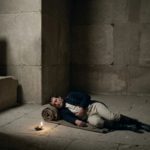
In the legend, Napoleon sleeps alone beside a single lamp in the Great Pyramid's King's Chamber. His secretary Bourrienne wrote that he never even entered the pyramid.
Legend says Napoleon spent a night alone inside the Great Pyramid and emerged shaken by what he saw - his own secretary, who says he never left his side, insists he never went in at all[1, p. 135].
What Happened
The story
After the Battle of the Pyramids and the French entry into Cairo, the Mamluk leader Mourad Bey withdrew toward Giza and the pyramids, drawing French attention to the site[1, p. 135]. It was around this point in the 1798 campaign that a very different story later attached itself to Napoleon: that he climbed alone into the Great Pyramid and emerged from its 'sepulchral chamber' changed by what he had seen. The tale was popularised by the novelist Sir Walter Scott, who added invented speeches between Napoleon and the accompanying imams and even suggested Napoleon nearly converted to Islam[1, p. 135].
Bourrienne, who says he 'never quitted his [Napoleon's] side a single moment in the desert', describes something far less dramatic[1, p. 135]. By his account, 'the fact is, that Bonaparte never even entered the great Pyramid. He never had any thought of entering it'[1, p. 135]. Instead, Napoleon had someone else go inside on his behalf while he himself remained outside.
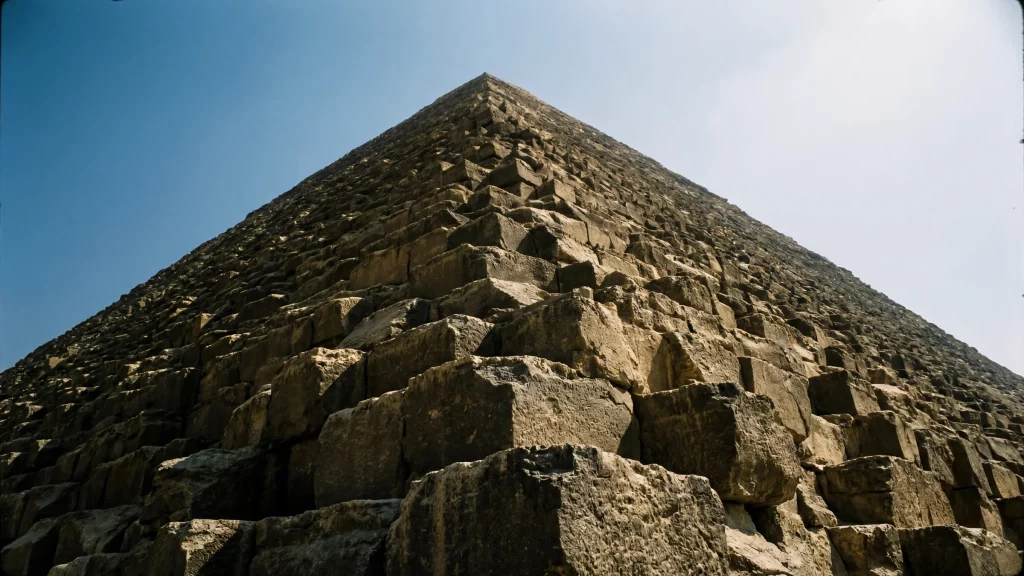
The report Napoleon received back was as flat as the rest of the story: those sent inside 'informed him there was nothing to be seen'[1, p. 135]. No revelation, no ceremony, no mystical encounter - just a scouting errand that came back empty, delivered to a general who never set foot inside the monument himself.
Bourrienne wrote his account explicitly to answer Scott's published version, dismissing it as 'the height of absurdity' and something that 'does not even deserve to be seriously refuted'[1, p. 135]. That he felt the need to say so at all shows how quickly the dramatic version had taken hold, even among people who had not been there.
Quick Facts
The essentials
Quick Facts
The Bigger Picture
Set during the French occupation of Cairo and Giza just after the Battle of the Pyramids, as French forces pursued the Mamluk leader Mourad Bey, who himself had withdrawn toward Giza and the pyramids[1, p. 135].
How It Came To This
The story originates from Sir Walter Scott's romanticised account of Napoleon's Egyptian campaign, which described a secret visit to the pyramid's 'sepulchral chamber' and invented speeches suggesting Napoleon was 'on the point of embracing Islamism'[1, p. 135]. Napoleon's own former secretary, present throughout the campaign, published a direct rebuttal of it.
What Actually Happened
This is a rare case where the mundane version is the well-documented one and the dramatic version is the invention. Bourrienne's account is specific about an ordinary field decision: rather than climb into an unlit, unexplored interior himself, Napoleon had someone else go in and report back[1, p. 135]. Sir Walter Scott's popular version did the opposite of what usually happens to a historical episode - it added incident rather than stripped it away, inventing a secret chamber scene and speeches with imams that Bourrienne insists never occurred[1, p. 135]. What stands out is that a direct, on-the-spot denial from someone who says he 'never quitted his side a single moment in the desert', published in a widely read memoir, still failed to retire the story[1, p. 135]. The mystical version simply had a better shape for retelling than 'he sent a subordinate in and was told there was nothing to see' - and a good shape, not good sourcing, is usually what keeps a legend alive.
Why It Still Matters
Bourrienne's rebuttal shows the legend was already well established in Napoleon's own lifetime, popular enough that Scott's version needed answering directly[1, p. 135]. The mystical night-in-the-pyramid story has persisted regardless, remaining one of the most retold Napoleon anecdotes despite his own secretary's flat denial.
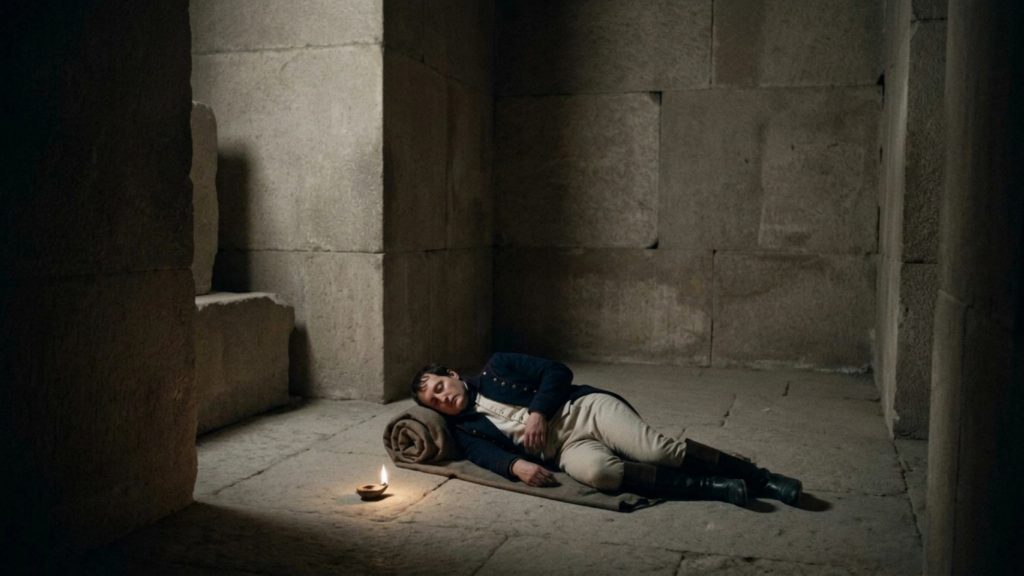
Quick Facts
Keith has spotted the problem...
Napoleon's own secretary flatly denies the whole legend: 'the fact is, that Bonaparte never even entered the great Pyramid. He never had any thought of entering it'[1, p. 135]. He sent someone else in and waited outside.
Roger would like you to know...
The mystical version everyone knows didn't come from an eyewitness at all - it was novelist Sir Walter Scott's invention, complete with imaginary speeches between Napoleon and local imams and a claim he nearly converted to Islam[1, p. 135].
One for the Ageonauts...
Bourrienne's verdict on the popular version could not be blunter: he called it 'the height of absurdity' and said it 'does not even deserve to be seriously refuted'[1, p. 135].
A small fact with a very large consequence...
The actual report Napoleon got back from inside the pyramid was the least mystical possible: whoever he sent in simply 'informed him there was nothing to be seen'[1, p. 135].
Keith checked the sources...
Bourrienne stakes his denial on personal proximity, writing that he 'never quitted his side a single moment in the desert' - so if Napoleon had gone in, his own secretary insists he would have gone in with him[1, p. 135].
History gets strange here...
The whole episode plays out while French troops were still hunting the Mamluk commander Mourad Bey, who had himself retreated toward Giza and the pyramids after Cairo fell[1, p. 135].
Roger has entered the historical rabbit hole...
Scott's version didn't stop at a mystical vision - he apparently implied Napoleon was 'on the point of embracing Islamism', a claim Bourrienne treats as too ridiculous to seriously engage with[1, p. 135].
Meanwhile, in history...
Away from the pyramid, Bourrienne notes Napoleon did attend local Islamic festivals out of policy and curiosity, and on one occasion even dressed in Egyptian costume - genuine engagement, just not the mystical kind the legend describes[1, p. 135].
Keith would like to clarify...
Even Bourrienne's own memoir carries an editor's note flagging a wrinkle in his story - a reminder that even a first-hand denial written to kill a myth isn't automatically airtight[1, p. 135].
The familiar story leaves this out...
Two centuries on, the mystical pyramid story is still the version everyone tells - despite a direct, contemporaneous denial from the one person who says he was standing right there the whole time[1, p. 135].
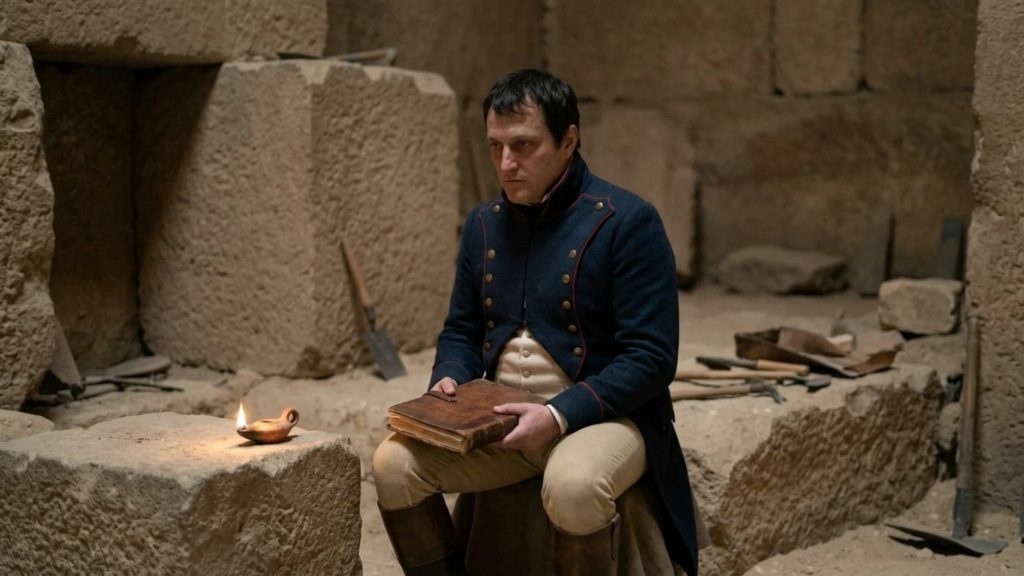
The fact is, that Bonaparte never even entered the great Pyramid. He never had any thought of entering it.
Louis-Antoine Fauvelet de Bourrienne, Napoleon's private secretary, in his memoirs[1, p. 135]
Written as a direct rebuttal of Sir Walter Scott's popular account of Napoleon spending a night alone inside the pyramid's sepulchral chamber.
Timeline
How it unfolded
1798
The Night in the King's Chamber
According to tradition, Bonaparte insisted on spending a night alone in the King's Chamber of the Great Pyramid and came out pale and shaken, refusing ever to say what he had seen.
21 July 1798
Battle of the Pyramids
According to the Catholic Encyclopedia, the battle of the Pyramids gave Bonaparte the uncontested mastery of Cairo.[2] Lester's 1852 history has him telling his troops that forty centuries looked down on them from the pyramids.[3]
26 August 1798
Army Order Prints the Pyramid Conversation
The army's Order of the Day published the supposed transcript of a long conversation of Bonaparte in the Grand Pyramid with imams and muftis.[4] Bourrienne, his secretary, later insisted that Bonaparte never even entered the great Pyramid and blamed Sir Walter Scott for embellishing the story.[1, p. 135]
Dig Deeper
Copy any prompt below into your favourite AI chat to keep exploring.
Explain why Bourrienne's account of Napoleon sending someone else into the Great Pyramid undermines the popular legend that he spent a night alone inside it.
What does it teach us about how legends survive that Napoleon's own secretary's eyewitness denial couldn't stop the mystical pyramid story from outliving him?
Roleplay as Bourrienne, forced to write an entire footnote just to convince readers that his boss never actually set foot inside the pyramid.
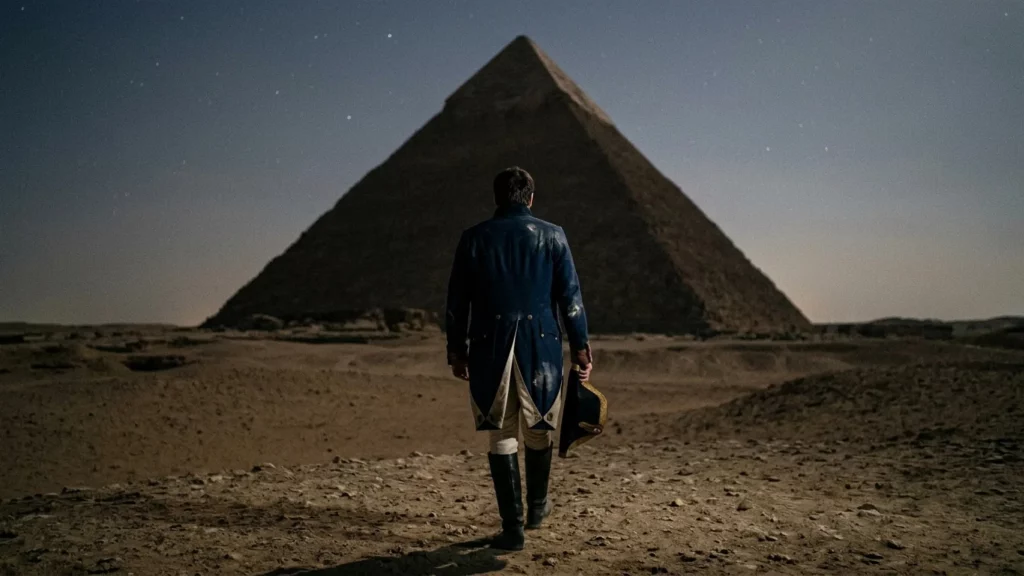
Further Reading
Where to read more
Inside the Great Pyramid - Smithsonian Magazine
A concise, reputable magazine account of the Great Pyramid's interior history, including the Napoleon legend.
Why look at this: Confirms, independently of this page's own source, that Napoleon's secretary said he 'never went inside the tomb' - the same conclusion this page draws directly from Bourrienne.
https://www.smithsonianmag.com/travel/inside-the-great-pyramid-75164298/Napoleon at the Pyramids: Myth versus Fact - Shannon Selin
A footnoted historical article systematically checking several Napoleon-and-the-pyramids legends against 19th-century primary sources.
Why look at this: Quotes Bourrienne's own memoir directly refuting the story - 'Bonaparte never even entered the great pyramid. He never had any thought of entering it' - the same source this page's own account rests on, shown in fuller context.
https://shannonselin.com/2017/07/napoleon-pyramids/Memoirs of Napoleon Bonaparte, by Louis-Antoine Fauvelet de Bourrienne
Bourrienne's own memoirs, freely available on Project Gutenberg - the sole real source behind this entire page.
Why look at this: The direct primary-source passage where Bourrienne states plainly that Napoleon never entered the Great Pyramid, and dismisses Walter Scott's version as 'the height of absurdity.'
https://www.gutenberg.org/ebooks/3567Related
Keep exploring


Places


Can be seen in
Where this shows up

References
Sources
Sources
- BookMemoirs of Napoleon Bonaparte — Complete by Louis Antoine Fauvelet de Bourrienne. Page 135. ↑
- DocumentCatholic Encyclopedia (1913)/Napoleon I (Bonaparte) ↑
- BookThe Napoleon dynasty: or, The history of the Bonaparte family. An entirely new work by C. Edwards Lester and Edwin Williams ↑
- Websiteshannonselin.com: Napoleon pyramids ↑